

Frizzy hair can be frustrating, especially when time is limited. Simple adjustments to hair care and styling techniques can quickly tame unwanted frizz without complicated routines.
Using a lightweight leave-in conditioner or smoothing serum immediately reduces frizz and adds shine for a polished look. Working with damp hair and avoiding harsh towel drying also helps prevent frizz from developing throughout the day.
Small changes, like switching to a wide-tooth comb and avoiding excessive heat, make a noticeable difference. These quick fixes provide manageable, smooth hair that feels healthy and looks neat.
Essential Quick Fixes for Frizzy Hair
Addressing frizzy hair quickly requires targeted products and simple techniques. Effective options include using leave-in conditioner or hair serum for immediate control. Different methods, like hair oils and a cold water rinse, help maintain smoothness by nourishing and sealing the hair.
Instant Solutions Using Leave-In Conditioner and Hair Serum
Leave-in conditioner works by adding moisture to dry strands, which helps reduce frizz instantly. Applying a small amount of damp hair smooths the cuticle and prevents flyaways. It is important to distribute the product evenly from mid-lengths to ends to avoid greasiness at the roots.
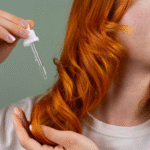
Hair serum is a lightweight option that coats the hair, creating a barrier against humidity. Typically silicone-based, serums provide shine and tame frizz within minutes. For best results, a few drops warmed between the palms should be lightly applied on dry or damp hair, focusing on frizzy areas.
Together, these products hydrate hair and control moisture loss, key factors in smoothing frizz quickly.
Taming Flyaways with Hair Oils
Hair oils, such as argan or jojoba, penetrate the hair shaft to add nourishment and reduce static. Applying a small amount on dry hair tames flyaways and leaves hair looking polished. It is vital to use oils sparingly to avoid a heavy or oily appearance.
Oils also help protect hair from environmental damage and split ends, both common causes of frizz. When applied after styling, they lock in moisture and smooth the surface. Light massaging on the ends and around the hairline targets frizzy or flyaway-prone areas effectively.
Using hair oil regularly can improve hair texture over time while offering a quick fix in daily styling.
Patting Down Frizz with Water or Microfiber Towel
Lightly dampening hair with water can help settle frizz temporarily by relaxing the hair cuticle. Patting hair gently with a spray bottle or wet hands offers a quick reset without washing. It’s essential to avoid excessive water to prevent disruption of the style.
Using a microfiber towel instead of a standard towel reduces friction that causes cuticle damage and frizz. Microfiber towels absorb excess water more efficiently, minimising the need for vigorous rubbing. Wrapping hair in a microfiber towel also speeds up drying time and lessens further frizz formation.
This simple step can be performed anytime during the day to control unruly strands discreetly.
Sealing Cuticles with Cold Water Rinse
Rinsing hair with cold water after washing helps seal the hair cuticles, locking in moisture that reduces frizz. Cold water causes the hair shaft to contract, smoothing the surface and preventing stray hairs from sticking out.
This method is especially effective when followed by a leave-in conditioner or hair serum to maximise the smoothing effect. Cold water rinses do not remove oils but instead enhance hair shine and reduce humidity-induced frizz.
Incorporating a cold rinse into the hair care routine can improve manageability and reduce daily frizz.
Targeted Frizz Control Products and Techniques
Effective frizz control requires specific products and methods designed to hydrate hair, reduce damage, and maintain smoothness. Hydrating cleansers, styling agents, protective sprays, and appropriate combing tools all play key roles in managing frizz.
Frizzy hair also tends to break easily. Focusing on the scalp, hair density and nutrients intake are some of the ways to deal with hair loss due to frizziness. If the damage is excessive, consider visiting a hair doctor for hair fall solutions.
Choosing Hydrating and Sulfate-Free Shampoos
Hydrating shampoos are essential for reducing frizz as they replenish moisture without stripping natural oils. Sulfate-free shampoos avoid harsh detergents, which can dry hair and worsen frizz by damaging the cuticle.
Look for ingredients like glycerin, aloe vera, or coconut oil, which attract and lock in moisture. These shampoos help maintain hair’s natural elasticity, making it less prone to flyaways. Regular use of sulphate-free formulations keeps hair soft and calm.
Avoid shampoos with sodium lauryl sulfate or similar detergents if frizz is a concern. Their intense cleansing power can leave hair brittle, especially for coloured or chemically treated hair.
Using Curl Creams and Styling Balms
Curl creams and styling balms help define texture while taming frizz. Curl creams are designed to hydrate and hold natural curls without stiffness, often containing nourishing oils and humectants.
Styling balms provide heavier control and shine, suitable for thicker or more unruly hair. Both products work by smoothing the hair cuticle and sealing in moisture.
Apply these products to damp hair, focusing on mid-lengths and ends. Avoid roots to prevent greasiness. Using a small amount evenly dispersed reduces frizz and enhances hair’s natural shape throughout the day.
Protecting Hair with Heat Protectant Spray
Heat protectant sprays minimise damage from tools like straighteners, curling irons, and hairdryers. They create a barrier that reduces moisture loss during heat styling, which can otherwise increase frizz.
Choose sprays containing silicones or natural oils that coat the hair shaft. Spray evenly on damp or dry hair before applying heat.
Reapplication between styling sessions is important for ongoing protection. Without heat protectants, repeated thermal exposure weakens hair structure, making it more frizz-prone and brittle.
Incorporating Detangling Tools and Wide-Tooth Combs
Detangling with wide-tooth combs is crucial for preventing breakage and frizz. These combs gently separate strands without tearing the hair cuticle.
Use a wide-tooth comb on wet or damp hair, starting from the ends and working upwards to avoid tugging. Avoid fine-tooth combs or brushes on wet hair to reduce damage.
Regular detangling reduces knots, which can cause frizz during styling. Combining detangling tools with leave-in conditioners or curl creams improves manageability further.
Home Remedies and Natural Treatments for Dry, Frizzy Hair
Natural oils, gels, and rinses offer targeted ways to manage frizz and moisture loss. These treatments focus on restoring hydration, smoothing hair cuticles, and improving shine without harsh chemicals.
Nourishing with Coconut Oil and Argan Oil
Coconut oil is rich in lauric acid, which penetrates the hair shaft to strengthen from within. It reduces protein loss and helps lock in moisture, making it effective for dry hair prone to frizz. Applying it as a pre-wash treatment for 30 minutes can improve smoothness.
Argan oil contains vitamin E and fatty acids that coat the hair surface, smoothing rough strands and adding shine. It is lighter than coconut oil, suitable for use after washing, and can be applied sparingly to damp hair to control frizz throughout the day.
Both oils protect hair from environmental damage while sealing in hydration, helping to maintain manageable, soft hair.
Weekly Hair Masks for Deep Conditioning
A weekly hair mask revitalises dry, frizzy hair by providing intensive moisture and nourishment. Ingredients such as honey, avocado, and yoghurt supply vitamins and fatty acids that repair damage and restore softness.
Applying a deep conditioning mask once a week for 20-30 minutes enhances the hair’s ability to retain moisture. Masks with natural oils, such as coconut oil, improve elasticity and reduce breakage.
Consistency is key; weekly treatments build up hair strength and smooth the cuticle, reducing the appearance of frizz over time.
Soothing with Aloe Vera Gel
Aloe vera gel contains enzymes that repair dead skin cells on the scalp and act as a natural humectant. It hydrates dry hair and reduces scalp irritation that can worsen frizz.
Applying pure aloe vera gel to the hair and scalp for 15 minutes before shampooing helps lock in moisture without heaviness. It smooths the hair shaft, making strands less prone to tangling.
Aloe vera also promotes shine and softness, making it effective for maintaining manageable hair texture.
Apple Cider Vinegar Rinse for Shine
Apple cider vinegar (ACV) rinse restores the scalp’s pH balance and closes hair cuticles, resulting in smoother, shinier hair. Its acidic nature helps remove residue buildup from styling products and natural oils.
Diluting ACV with water (1 part vinegar to 3 parts water) and using it as a final rinse after shampooing prevents dryness while enhancing shine. Regular use can reduce frizz by flattening the hair cuticle, which reflects light better.
ACV rinses provide a clear improvement in texture and glossiness when integrated into a hair care routine.
Daily Hair Care Habits for Frizz Prevention
Consistent attention to hair care can significantly reduce frizz by protecting the hair cuticle and preventing damage. Simple changes in daily habits, from sleep choices to styling methods, help maintain smooth, manageable hair.
Switching to a Silk Pillowcase
Silk pillowcases create less friction than cotton, reducing hair breakage and frizz caused by tossing and turning at night. Their smooth surface helps keep the hair cuticle intact, maintaining moisture and preventing dryness.
Using silk pillowcases regularly can make a visible difference by decreasing split ends and frizzy strands. They also help retain natural oils, which are essential for healthy, hydrated hair, contributing to overall frizz control.
Trimming Split Ends Regularly
Split ends cause hair to look rough and frizzy because they weaken the hair shaft and allow strands to tangle. Regular trims every 6 to 8 weeks remove damaged ends, preventing splits from travelling up the hair.
Consistent trimming improves hair strength and appearance, creating a healthier cuticle. This reduces frizz by eliminating hairs that easily break and separate, which can attract humidity and create an unpolished look.
Avoiding Heat Damage through Smart Styling
Heat tools like straighteners and curling irons weaken the hair cuticle when used regularly and at high temperatures. This damage increases porosity, which causes frizz and dryness.
Using heat protectants and setting tools to lower temperatures minimises damage. Air-drying when possible and limiting heat styling to a few times a week can help preserve hair strength and smoothness.
Building a Consistent Hair Care Routine
A steady hair care routine balances cleansing, conditioning, and protection to maintain the hair cuticle’s health. Choosing products formulated for frizz control, including moisturising shampoos and leave-in conditioners, supports smooth hair.
Washing hair with lukewarm water, avoiding excessive rubbing with a towel, and applying conditioner to mid-lengths and ends contribute to hydration and cuticle sealing. Regular routines reduce frizz by maintaining optimal moisture levels.