
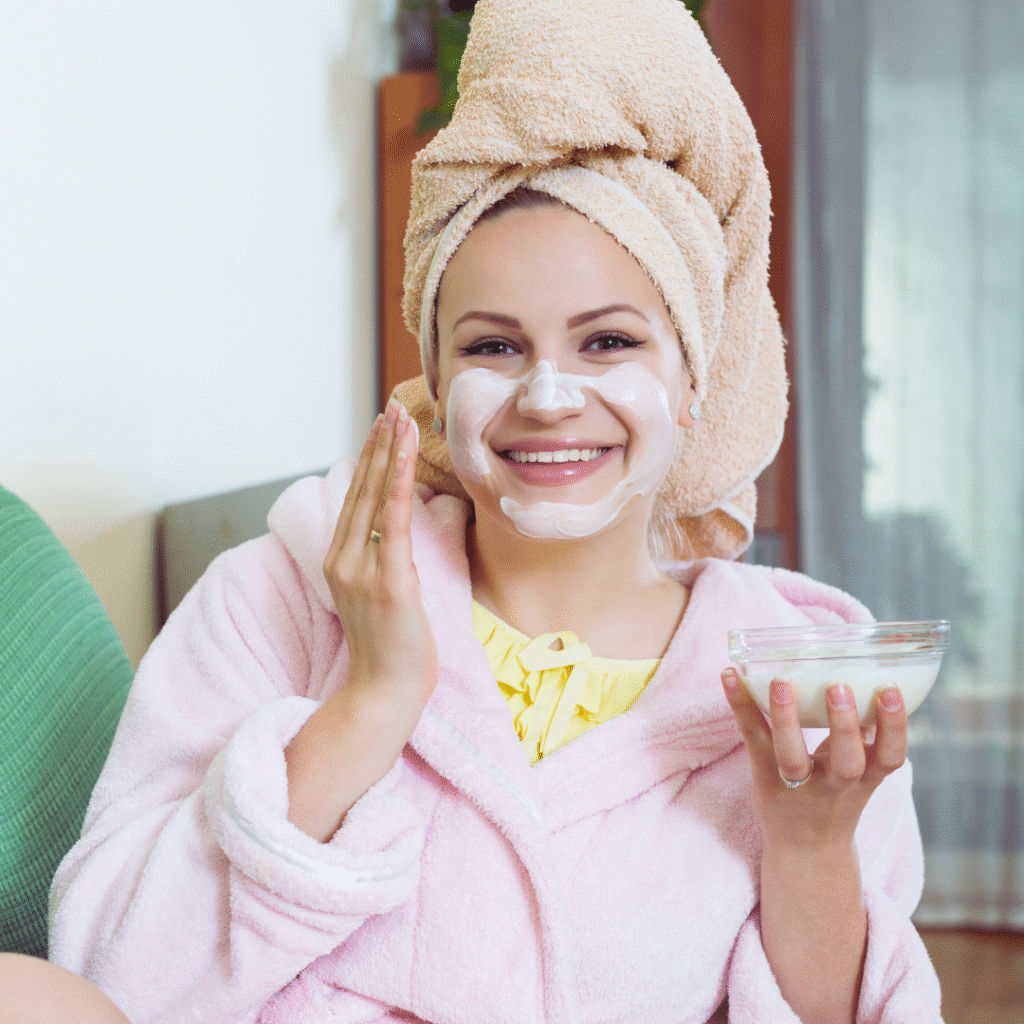

Many people want glowing skin but avoid harsh chemicals and expensive treatments. DIY face masks offer a simple, natural way to enhance skin’s radiance using common ingredients found at home.
Easy DIY face masks can improve skin softness and brightness by providing hydration, exfoliation, and nourishment with minimal effort. These masks are suitable for various skin types and can be tailored to individual needs.
By exploring a few effective recipes, anyone can create skin treatments that fit their routine and budget. These homemade masks are a practical option for those seeking healthy, glowing skin without complicated products.
Benefits of Easy DIY Face Masks for Glowing Skin
DIY face masks offer a practical way to enhance a skincare routine using natural ingredients. These treatments can target specific skin concerns like redness and dullness while being gentle and customisable for different skin types.
Why Choose Homemade Face Masks
Homemade face masks allow control over the ingredients, avoiding harsh chemicals found in some commercial products. They are often more affordable and readily available, using kitchen staples like honey, yoghurt, and oats.
These masks can be tailored to individual needs, such as hydration for dry skin or reducing redness in sensitive skin. Using natural skincare methods also supports a more sustainable self-care routine, minimising waste and packaging.
Key Ingredients for Radiant Skin
Natural ingredients like honey, avocado, oatmeal, and turmeric are commonly used in DIY face masks for glowing skin. Honey acts as a natural humectant, locking in moisture and soothing irritation.
Avocado provides healthy fats that nourish and soften skin, while oatmeal gently exfoliates and reduces inflammation. Turmeric contains antioxidants that brighten the complexion and even skin tone.
A simple combination such as honey and yoghurt can improve hydration and promote a radiant, even complexion when used consistently.
Understanding Safe and Effective DIY Mask Practices
Safety is essential when preparing DIY face masks. It is crucial to perform a patch test to check for allergic reactions, especially with ingredients like citrus or essential oils.
Masks should be applied on clean skin and left on according to recipe instructions, usually between 10-20 minutes, to avoid irritation. Avoid using expired or contaminated natural ingredients, which can cause adverse effects.
After rinsing off, following with a gentle moisturiser helps lock in benefits. Maintaining hygiene by using clean utensils and containers prevents contamination and ensures effectiveness in the skincare routine.
Popular Easy DIY Face Mask Recipes for Glowing Skin
Natural ingredients like turmeric, honey, aloe vera, milk, banana, and yoghurt offer nourishing benefits when used in homemade face masks. These combinations target hydration, brightness, and soothing effects, making them practical options for glowing skin.
Turmeric and Honey Face Mask
This turmeric face mask combines turmeric powder and honey for a simple treatment that can brighten dull skin and calm irritation. Turmeric contains curcumin, which has anti-inflammatory properties. Honey acts as a natural humectant that locks in moisture.
To prepare, mix 1 teaspoon of turmeric powder with 1 tablespoon of raw honey until it forms a smooth paste. Apply directly to the face, avoiding the eye area. Leave on for 10 to 15 minutes before rinsing with warm water. Frequent use, about twice a week, can help reduce redness and improve skin tone.
Aloe Vera Gel and Milk Face Mask
The aloe vera face mask uses fresh aloe vera gel combined with milk to hydrate and rejuvenate skin. Aloe vera gel contains antioxidants and vitamins that soothe irritation, while milk provides lactic acid to gently exfoliate and brighten.
Blend 2 tablespoons of aloe vera gel with 1 tablespoon of full-fat milk. Apply the mixture evenly on the face, leaving it on for 15 minutes. Rinse with lukewarm water and pat dry. This mask suits sensitive and dry skin types due to its mild, calming effects.
Banana and Yoghurt Face Mask
The banana face mask includes mashed ripe banana and yoghurt to deliver moisture and mild exfoliation. Bananas are rich in vitamins A, B, and E, which help nourish the skin, while yoghurt contains probiotics and lactic acid for gentle cleansing.
Mash half a banana and mix with 2 tablespoons of plain yoghurt to create a creamy paste. Spread the mask over the face and allow it to sit for 15 to 20 minutes before washing off with cool water. This mask hydrates while promoting a smooth, glowing complexion.
Other Nourishing DIY Face Masks and Variations
These masks combine natural ingredients to target different skin concerns while supporting hydration, exfoliation, and soothing. Each mask uses easily available components to create effective, gentle options for various skin types.
Papaya and Honey Mask
Papaya contains enzymes like papain that gently exfoliate dead skin cells, promoting a brighter complexion. When combined with honey, which has natural antibacterial and moisturising properties, this mask helps reduce blemishes and hydrate the skin.
To prepare, mash ripe papaya and mix with a tablespoon of raw honey. Apply evenly to the face and leave on for 15-20 minutes. Rinse with lukewarm water, revealing refreshed, smooth skin.
This mask suits those with dull or uneven skin tone and can be used twice a week for gradual improvement.
Strawberry and Matcha Powder Mask
Strawberries are rich in vitamin C and antioxidants, helping to combat dullness and fight free radicals. Matcha powder adds anti-inflammatory benefits and gentle exfoliation thanks to its fine texture and calming properties.
Mix mashed strawberries with a teaspoon of matcha powder and a small amount of plain yoghurt or honey to form a spreadable paste. Apply to the face and leave for 10-15 minutes before rinsing.
This mask aids in brightening the skin and reducing redness, making it suitable for sensitive or tired skin.
Cucumber and Aloe Vera Cooling Mask
Cucumber is well-known for its hydrating and soothing effect, ideal for calming irritated or sun-exposed skin. Aloe vera gel complements this with its healing, anti-inflammatory, and moisturising qualities.
Grate half a cucumber and blend with two tablespoons of pure aloe vera gel. Apply the mixture to the skin and leave it on for 15-20 minutes to cool and refresh.
This combination is best for sensitive skin types needing hydration and relief from irritation or dryness.
Tips for Integrating DIY Face Masks into Your Skincare Routine
Incorporating DIY face masks effectively requires attention to timing, skin type, and ingredient compatibility. It is important to balance mask use with other skincare steps to support healthy, radiant skin without causing irritation.
Best Practices for Application and Frequency
Applying DIY masks to clean skin ensures better absorption and effectiveness. He or she should cleanse their face thoroughly before use and apply the mask evenly, avoiding the eyes and mouth.
Most natural skincare masks are best used 1-3 times per week, depending on skin sensitivity and mask ingredients. Overuse can lead to dryness or redness rather than glowing skin.
Leaving masks on for 10-20 minutes is generally sufficient. Rinsing with lukewarm water reduces irritation, especially for those prone to redness or sensitivity.
After masking, applying a gentle moisturiser helps lock in hydration and protects the skin barrier, supporting a sustainable skincare routine and better self-care habits.
Combining Masks for Maximum Benefits
Different DIY masks target specific skin concerns such as oiliness, dryness, or redness. Combining masks can address multiple issues, but requires careful selection to avoid adverse reactions.
One approach is multi-masking: applying different masks to distinct face areas based on skin needs. For instance, a clay mask to reduce excess oils on the T-zone and a hydrating mask on dry cheeks.
It is crucial to use complementary ingredients to enhance effects without causing irritation. Avoid mixing acids or strong exfoliants with moisturising masks in the same session.
Recording which combinations work best supports consistency and glowing skin over time. Adjustments may be needed as skin changes with seasons or lifestyle variations.