
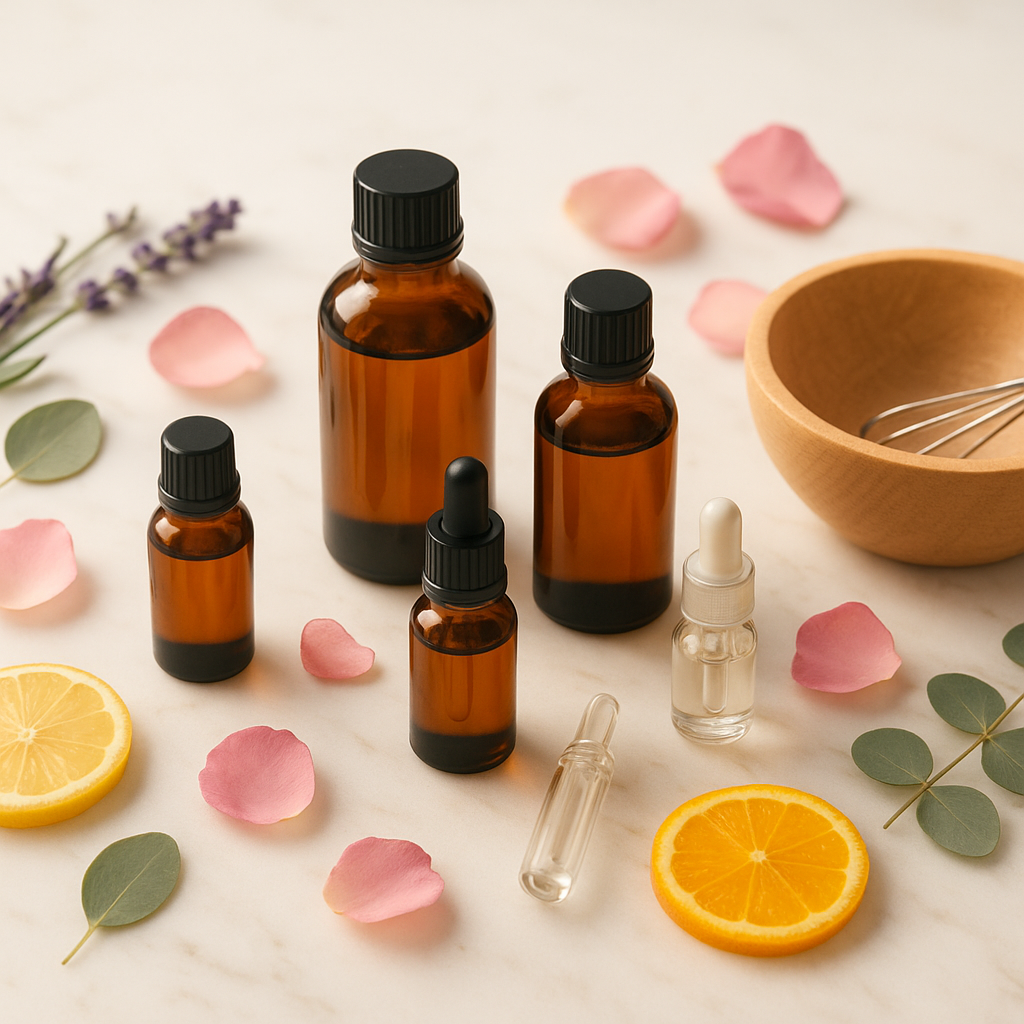

Essential oils have been used in beauty rituals for thousands of years, and for good reason. From ancient Egyptian kohl preparations to Ayurvedic hair treatments, these concentrated plant extracts carry genuine potency that modern science is only beginning to fully understand. Today, the DIY beauty movement has brought essential oils back to the forefront, with more people choosing to craft their own serums, scrubs, and hair treatments at home rather than reaching for products packed with synthetic fillers.
But not all essential oils are created equal when it comes to beauty applications, and knowing which ones truly deliver results — versus those that are simply popular — can save you a lot of time, money, and skin irritation. This guide breaks down the best essential oils for DIY beauty recipes, how to use them safely, and which formulations are genuinely worth your effort.
Why Essential Oils Work in DIY Beauty Recipes
Essential oils are highly concentrated volatile compounds extracted from plants through steam distillation, cold pressing, or solvent extraction. Because they’re lipophilic — meaning they dissolve in fats — they can penetrate the outer layers of the skin more effectively than water-based ingredients. This makes them genuinely useful in oil-based serums, balms, and hair treatments.
A 2021 review published in the Journal of Cosmetic Dermatology noted that several essential oils demonstrate measurable antimicrobial, anti-inflammatory, and antioxidant activity when applied topically at appropriate concentrations. That said, “natural” doesn’t automatically mean safe or effective — dilution, quality, and skin compatibility all matter enormously.
The golden rule with any essential oil in a DIY recipe is dilution. Most essential oils should never be applied neat (undiluted) to the skin. A safe general dilution for facial applications is 0.5–1%, which equates to roughly 3–6 drops of essential oil per 30ml of carrier oil. For body products, a 2–3% dilution is typically considered safe for adults.
The Best Essential Oils for Skin Care Recipes
Rosehip Seed Oil vs. Rosehip Essential Oil — Know the Difference
Before diving in, it’s worth noting a common point of confusion: rosehip seed oil is a carrier oil, not an essential oil. Many popular “essential oil” skin recipes actually call for both types. Essential oils are always used in small amounts alongside a carrier oil such as jojoba, sweet almond, argan, or rosehip seed oil. Keeping this distinction clear will help you formulate better, safer recipes.
Frankincense (Boswellia carterii)
Often called the king of essential oils in beauty circles, frankincense is one of the most researched oils for skin applications. It contains boswellic acid compounds that may help reduce the appearance of fine lines and support skin cell regeneration. It has a warm, slightly woody scent and blends beautifully with carrier oils for use in anti-ageing serums.
Best for: Mature skin, fine lines, uneven skin tone
DIY use: Add 4–5 drops to 30ml of rosehip seed oil for a nightly facial serum. Apply a few drops to cleansed skin before bed.
Lavender (Lavandula angustifolia)
Lavender is one of the most versatile essential oils in the beauty toolkit. Its well-documented anti-inflammatory and antimicrobial properties make it useful for acne-prone and sensitive skin alike. It’s also one of the few essential oils that can technically be used neat on small areas, though dilution is still recommended for regular use.
Best for: Acne-prone skin, sensitive skin, minor blemishes
DIY use: Mix 5 drops with 30ml of jojoba oil for a lightweight daily moisturiser, or add to a simple sugar scrub for both exfoliation and calming benefits.
Tea Tree (Melaleuca alternifolia)
Tea tree oil is arguably the most evidence-backed essential oil for acne treatment. Multiple clinical studies have compared it favourably to benzoyl peroxide, with fewer side effects like dryness and irritation. At a 5% concentration in a gel or cream base, it has been shown to reduce acne lesions significantly.

Best for: Oily skin, acne, blemishes
DIY use: Combine 5 drops with 1 tablespoon of aloe vera gel and a few drops of jojoba oil for a spot treatment. Always dilute — undiluted tea tree oil can cause contact dermatitis.
Geranium (Pelargonium graveolens)
Geranium essential oil is a lesser-known gem in DIY skincare. It’s known for its ability to help balance sebum production, making it useful for combination skin. It also has mild astringent properties and a beautiful floral scent that pairs well with citrus and woody oils.
Best for: Combination skin, toning, mature skin
DIY use: Add 4 drops to 30ml of argan oil for a balancing facial serum, or include it in a homemade toning mist with distilled water and a solubiliser.
The Best Essential Oil for Deep Wrinkles
If you’re specifically looking for a recipe targeting deep wrinkles, a combination approach tends to work best. Frankincense, rose (Rosa damascena), and carrot seed oil are frequently cited in research and practitioner literature as having the most meaningful impact on mature skin. Rose otto is expensive but contains geraniol and nerol, compounds associated with skin elasticity and moisture retention. Carrot seed essential oil is rich in beta-carotene and antioxidants.
A simple deep-wrinkle serum recipe: 30ml rosehip seed carrier oil + 3 drops frankincense + 2 drops rose otto + 2 drops carrot seed essential oil. Store in a dark glass bottle and apply to cleansed skin nightly.
Essential Oils for DIY Hair Recipes
Rosemary (Rosmarinus officinalis)
Rosemary essential oil has had a significant moment in the spotlight, and the research actually backs the hype. A 2015 study published in SKINmed Journal found that rosemary oil performed comparably to minoxidil (a common hair loss treatment) in promoting hair growth after six months of use, with fewer scalp side effects. It’s thought to improve circulation to the scalp and inhibit certain hormones linked to hair thinning.
Best for: Hair growth, thinning hair, scalp health
DIY use: Mix 5–6 drops with 2 tablespoons of coconut or castor oil. Massage into the scalp, leave for at least 30 minutes (or overnight), then shampoo out. Use two to three times per week for best results.
Peppermint (Mentha piperita)
Peppermint essential oil creates a noticeable tingling sensation on the scalp — and that’s not just a gimmick. A 2014 animal study showed that peppermint oil significantly increased the number of hair follicles and the depth of follicle penetration compared to saline and jojoba controls. The menthol in peppermint is thought to dilate blood vessels and stimulate follicle activity.
Best for: Stimulating scalp circulation, dandruff, oily scalp

DIY use: Add 3–4 drops to your regular shampoo or mix with jojoba oil for a pre-wash scalp treatment. Never use undiluted near the eyes or on sensitive areas.
Cedarwood (Cedrus atlantica)
Cedarwood essential oil has been used in a small pilot study on alopecia areata, where participants who massaged a blend including cedarwood into their scalps showed significant improvement compared to controls. It’s also thought to help balance scalp oil production and has a warm, earthy scent that pairs beautifully with other hair oils.
Best for: Hair loss, dry scalp, dandruff
DIY use: Combine 3 drops of cedarwood, 3 drops of rosemary, and 2 drops of lavender in 2 tablespoons of argan oil for a nourishing scalp mask.
Safety, Quality, and Formulation Tips
Choosing Quality Essential Oils
The essential oil market is unfortunately rife with adulterated or synthetic products masquerading as pure oils. When shopping for essential oils to use in beauty recipes, look for:
- GC/MS testing: Reputable brands provide gas chromatography/mass spectrometry test results, confirming the oil’s chemical composition
- Latin names on the label: Always check for the botanical name, not just the common name
- Dark glass bottles: Essential oils degrade in plastic and when exposed to light
- Country of origin listed: Quality oils are traceable to specific growing regions
- No “fragrance oil” crossover: Ensure the product is labelled as essential oil, not fragrance or perfume oil, which are synthetic
Patch Testing Is Non-Negotiable
Even well-diluted essential oils can cause reactions in sensitive individuals. Before using any new essential oil in a recipe, apply a small amount of the diluted blend to the inner arm and wait 24 hours. Citrus oils like bergamot and lemon are also photosensitising — avoid applying them to skin that will be exposed to direct sunlight.
Storage and Shelf Life
Most DIY essential oil beauty products should be stored in dark glass containers, away from heat and light. Without preservatives, water-based products can grow bacteria quickly — stick to anhydrous (water-free) formulations like oil blends and balms for easier, safer DIY. These typically have a shelf life of 6–12 months depending on the carrier oil used.
A Note on Essential Oils and Health Conditions
It’s worth acknowledging that essential oils are sometimes discussed in the context of health conditions beyond cosmetics. While questions arise around topics like what essential oils are good for Hashimoto’s disease or whether essential oils can help with osteoporosis, it’s important to approach these claims with appropriate caution. There is currently very limited clinical evidence to support the use of essential oils as a treatment for thyroid disorders, bone density issues, or conditions like MRSA (a serious bacterial infection that requires medical treatment). For any health condition, consulting a qualified healthcare provider is always the appropriate first step — essential oils in a DIY beauty context are best viewed as cosmetic rather than medicinal tools.
Similarly, the use of essential oils in CPAP machines is generally not recommended, as oils can damage the plastic components of the equipment and may irritate the respiratory tract when inhaled in concentrated form over extended periods. Always follow manufacturer guidelines for CPAP care.
Conclusion
DIY beauty recipes using essential oils can be genuinely effective when approached with the right knowledge. The key is understanding which oils have meaningful evidence behind them — frankincense and rose for anti-ageing, tea tree and lavender for acne-prone skin, and rosemary and peppermint for hair growth — and using them correctly, which always means proper dilution, quality sourcing, and patch testing.
The beauty of making your own products lies in the ability to tailor formulations to your specific skin type and concerns, without unnecessary additives or fillers. With a small collection of high-quality essential oils and a few reliable carrier oils, it’s possible to create a genuinely effective skincare and hair care routine from scratch. Start simple, learn how your skin responds, and build from there — the best DIY beauty recipes are the ones that work for you specifically.

