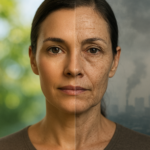


There’s something almost magical about the idea that your skin is quietly working overtime while you drift off to sleep. But it’s not magic — it’s biology. The hours you spend asleep are arguably the most productive time of day for your skin, driven by a finely tuned internal system that most people have never heard of. Understanding what’s actually happening beneath the surface while you sleep can completely change how you think about your evening skincare routine — and why getting a good night’s rest is one of the most underrated beauty habits there is.
Your Skin Has Its Own Internal Clock
The human body runs on a roughly 24-hour cycle known as the circadian rhythm — a biological clock that governs everything from hormone release and body temperature to digestion and immune function. What’s less commonly known is that your skin has its own version of this clock, operating at a cellular level.
Research published in scientific literature, including studies reviewed in Circadian Rhythm and the Skin, has confirmed that skin cells contain their own “clock genes” — molecular timekeepers that regulate when certain cellular processes occur. These genes essentially dictate when the skin is best equipped to repair, regenerate, and protect itself.
During the day, your skin is primarily in defence mode. It’s battling UV radiation, pollution, free radicals, and environmental stressors. The skin’s antioxidant systems are working hard, and the focus is on protection rather than repair. But once the sun sets and you begin to wind down, the skin shifts gears entirely — switching into repair and regeneration mode.
Cell Regeneration: The Nighttime Surge
One of the most significant things that happens while you sleep is an acceleration in cell turnover — the process by which old, damaged skin cells are shed and replaced with new ones. This isn’t happening at a steady, constant rate throughout the day. Studies suggest that cell division in the skin peaks during the late evening and early night hours, roughly between 11pm and 4am.
This surge is largely driven by melatonin, the hormone most associated with sleep. Beyond making you feel drowsy, melatonin is a powerful antioxidant that actively neutralises free radical damage in skin cells. It also plays a role in regulating DNA repair mechanisms — helping to correct the low-level cellular damage that accumulates through daily sun exposure and environmental stress.
Do skin cells regenerate at night?
Yes — and more effectively than at any other time of day. The skin’s rate of mitosis (cell division) is significantly higher at night than during waking hours. This is partly because growth hormone, which stimulates tissue repair and regeneration, is predominantly released during deep sleep. Without adequate sleep, this process is interrupted, leaving the skin less able to recover from daily damage. Over time, this can contribute to a dull complexion, uneven skin tone, and accelerated signs of ageing.
Collagen Production and Skin Repair
Collagen — the structural protein responsible for keeping skin firm, plump, and youthful — is another area where sleep plays a starring role. Collagen synthesis increases during sleep, aided by the release of growth hormone from the pituitary gland. This is when the skin is essentially doing its version of construction work: reinforcing its own scaffolding.
Sleep deprivation, on the other hand, elevates levels of cortisol — the body’s primary stress hormone. High cortisol can break down collagen and elastin, accelerate inflammation, and even worsen skin conditions such as acne, eczema, and psoriasis. A study published in the journal Sleep found that poor sleepers showed increased signs of skin ageing, including fine lines, uneven pigmentation, and reduced skin elasticity, compared to those who slept well.

Can you reverse skin ageing from lack of sleep?
To some extent, yes — though it depends on how long-term the sleep deprivation has been. The skin has a remarkable capacity for repair, and improving sleep quality consistently over time can lead to noticeable improvements in texture, hydration, and overall radiance. However, chronic, long-term sleep deprivation causes cumulative damage that becomes increasingly difficult to reverse, particularly when it comes to collagen loss and deep-set wrinkles. Prevention, as ever, is far more effective than correction.
Skin Hydration and the Moisture Barrier at Night
Another crucial process that unfolds during sleep is the restoration of the skin’s moisture barrier. During the day, your skin loses water through a process called transepidermal water loss (TEWL) — this is simply moisture evaporating from the skin’s surface into the air. At night, this process slows, giving the skin a chance to rehydrate and reinforce its protective lipid barrier.
This is precisely why applying moisturiser or a nourishing facial oil before bed tends to be more effective than applying it in the morning. The skin is in a more receptive state, and the absence of environmental aggressors means active ingredients have time to be properly absorbed and utilised.
Interestingly, research has shown that skin temperature rises slightly at night, which further enhances the absorption of topical skincare products. Warmer skin means more permeable skin — which is why nighttime is generally considered the optimal window for using richer formulations, retinoids, or ingredients like hyaluronic acid and peptides.
How to Make the Most of Your Skin’s Nighttime Repair
Understanding the biology is one thing — using it to your advantage is another. There are several practical ways to support the skin’s natural overnight processes.
Timing Your Skincare Routine
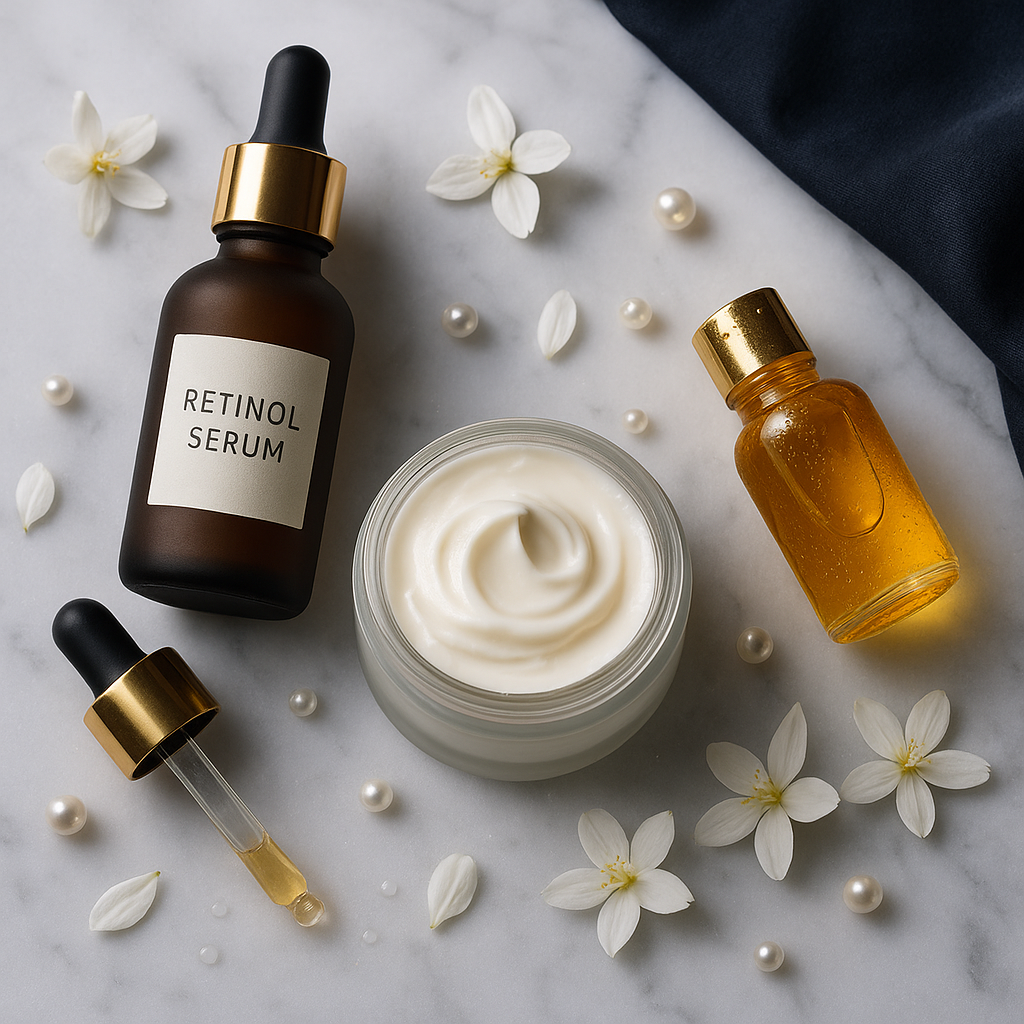
Because the skin’s permeability and receptiveness peak in the evening hours, applying your most potent products before bed makes scientific sense. Retinoids (vitamin A derivatives), which stimulate cell turnover and collagen production, are best used at night both because they’re photosensitive and because the skin is better equipped to use them after dark. Similarly, acids like glycolic and lactic acid work in synergy with the skin’s own renewal cycle when applied before sleep.
What Foods Speed Up Skin Cell Turnover?
Diet plays a supporting role in how efficiently the skin regenerates. Certain nutrients are particularly important:
- Vitamin C (found in citrus fruits, kiwi, and bell peppers) is essential for collagen synthesis and acts as a potent antioxidant.
- Zinc (found in pumpkin seeds, lentils, and shellfish) supports cell division and repair mechanisms.
- Omega-3 fatty acids (found in oily fish, walnuts, and flaxseed) help maintain the skin’s lipid barrier and reduce inflammation.
- Vitamin A (found in liver, sweet potato, and leafy greens) is the dietary precursor to retinol — the skin’s number-one cell-turnover ingredient.
- Protein provides the amino acids necessary for collagen and elastin production.
Eating a varied, nutrient-rich diet supports the overnight repair processes from the inside out — a combination that no topical product alone can replicate.
What Helps Skin Cells Regenerate Faster?
Beyond diet and topical products, several lifestyle factors directly influence the speed and quality of skin cell regeneration:
- Prioritising sleep quality — It’s not just about hours logged, but the quality of those hours. Deep, restorative sleep is when growth hormone is most active. Poor sleep quality (frequent waking, light sleep) disrupts this even if you’re technically in bed for eight hours.
- Maintaining a consistent sleep schedule — Going to bed and waking at roughly the same time each day keeps the circadian rhythm aligned, which in turn keeps the skin’s internal clock functioning optimally.
- Avoiding alcohol before bed — Alcohol disrupts sleep architecture, suppresses melatonin production, and dehydrates the body — a triple threat for skin health.
- Sleeping on a clean pillowcase — Fabric in contact with your skin for 7–8 hours can transfer bacteria, oils, and residual product. Silk or satin pillowcases are also gentler on the skin, reducing friction-related creasing over time.
- Keeping the bedroom cool and humidified — A slightly cooler room temperature supports deeper sleep stages, while a humidifier can help offset overnight moisture loss from the skin.
The Best Time to Sleep for Skin Repair
Dermatologists and sleep scientists generally agree that the hours before midnight are the most restorative, largely because the body enters its deepest, most regenerative sleep stages earlier in the sleep cycle. This is when growth hormone secretion is at its highest and cellular repair is most active.
Ideally, going to sleep between 10pm and 11pm aligns the body’s internal clock with its natural rhythm, allowing the skin to take full advantage of the repair window. Consistently late nights — even if total sleep duration is maintained — can shift the circadian rhythm in ways that reduce the efficiency of overnight skin repair. This is sometimes referred to as circadian misalignment, and research suggests it has tangible effects on skin health over time.
The Relationship Between Stress, Sleep, and Skin
It would be impossible to discuss nighttime skin repair without addressing the elephant in the room: stress. Chronic stress is one of the most significant disruptors of both sleep quality and skin health, and the two are deeply intertwined.
When stress levels are high, cortisol remains elevated even during what should be restful sleep. This suppresses melatonin production, interferes with growth hormone release, and perpetuates a state of low-grade inflammation — all of which undermine the skin’s ability to repair itself overnight. Conditions like acne, rosacea, and eczema are well-documented to worsen during periods of poor sleep and high stress.
Addressing stress through mindfulness practices, exercise, or simply establishing a calming pre-sleep routine isn’t just good for mental health — it directly benefits the quality of the skin repair that happens each night.
In Summary
Sleep is one of the most powerful and completely free tools available for skin health. While you rest, your skin is anything but passive — it’s regenerating cells, synthesising collagen, repairing DNA damage, reinforcing its moisture barrier, and absorbing the nutrients you’ve given it throughout the day. The skin’s circadian rhythm is a sophisticated biological system that, when respected and supported, does extraordinary work in keeping skin looking healthy and resilient.
The key takeaways are simple: go to bed at a consistent time (ideally before 11pm), invest in a thoughtful nighttime skincare routine using ingredients that work with the skin’s repair cycle, eat a nutrient-rich diet that provides the building blocks for regeneration, and take steps to protect your sleep quality from stress and lifestyle habits that undermine it. The skin keeps meticulous accounts — and over time, consistent, good-quality sleep will always show up on your face.