
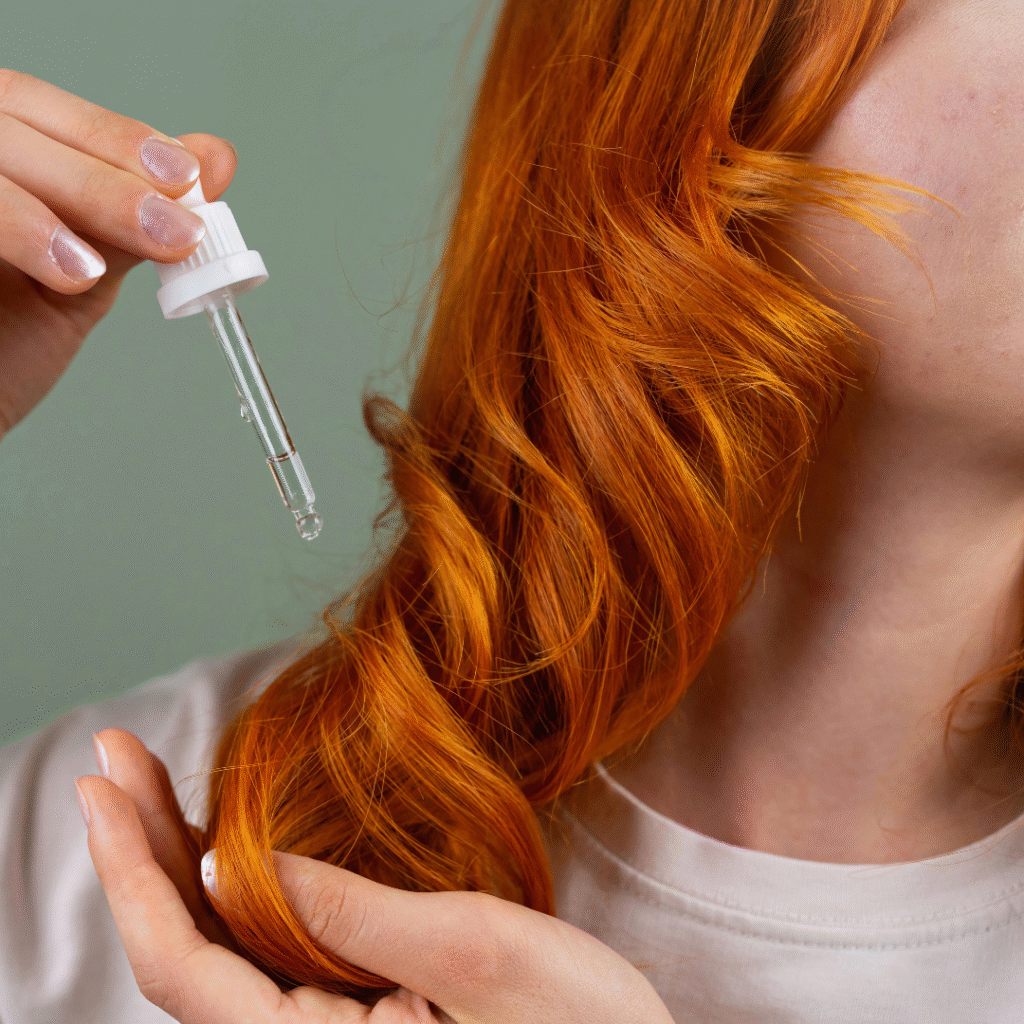

Overnight hair treatments offer a convenient way to nourish and repair hair without interrupting a busy schedule. These products are designed to work while you sleep, delivering moisture, strength, or soothing benefits that improve hair health by morning.
The best overnight treatments are safe to leave in and can target different hair concerns such as dryness, damage, or frizz. They typically contain ingredients like oils, proteins, and conditioners that deeply penetrate the hair shaft.
People looking to enhance their hair’s condition with minimal effort will find these treatments valuable. This article explores effective options and practical tips to wake up with better hair naturally.
Understanding Overnight Hair Treatments
Overnight hair treatments offer a practical way to nourish hair during sleep without disrupting daily routines. They vary in ingredients and methods but share the goal of improving hair condition through extended absorption.
What Are Overnight Hair Treatments?
Overnight hair treatments are specialised products designed to be applied before bedtime and left on hair while sleeping. These treatments typically include oils, masks, serums, or conditioners formulated for long-lasting hydration and repair.
They work by penetrating the hair shaft or scalp to restore moisture and strength, especially useful for damaged hair or dry hair types. Unlike quick treatments, overnight ones provide deeper conditioning due to the extended contact time.
Many formulations are safe to leave on without rinsing in the morning, making them convenient for consistent use. Some target specific concerns such as frizz control, split ends, or scalp health.
How Overnight Treatments Work
The extended application time allows active ingredients to penetrate more deeply into hair fibres. Ingredients like keratin, natural oils (argan, coconut), and vitamins repair cuticle damage and replenish lost moisture.
The slow absorption process strengthens hair from within, reducing breakage and improving elasticity. Overnight treatments also help balance scalp oils, which benefits both dry and healthy hair types.
Heat generated during sleep can increase ingredient absorption, further enhancing effectiveness. Most overnight treatments have non-greasy formulas to avoid discomfort and protect pillowcases.
Consistency in use maximises results, as treatments progressively restore hair quality rather than offering immediate but short-lived effects. This makes them suitable for ongoing hair care routines.
Benefits for Different Hair Types
For damaged hair, overnight treatments provide intense repair by restoring proteins and sealing split ends. They help rebuild weakened strands and reduce dryness caused by colouring or heat styling.
Dry hair benefits from deep moisturisation and hydration, improving softness and reducing frizz. Ingredients form a barrier to lock in moisture overnight, preventing further dehydration during the day.
People with healthy hair use overnight treatments to maintain hair strength and shine. These products add a protective layer against environmental stressors while keeping hair supple.
Overnight treatments suit a range of hair textures, with formula adjustments to target specific needs such as lightweight oils for fine hair or richer masks for coarse hair. This versatility makes them effective for various hair concerns.
Key Ingredients for Effective Overnight Hair Masks
Overnight hair treatments rely on targeted ingredients that repair, moisturise, and strengthen hair while sleeping. These components work deeply to restore hair structure and lock in moisture, ensuring visible improvements by morning.
Deep Hydration Agents
Hydration is crucial for healthy hair, and ingredients like hyaluronic acid and aloe vera gel excel at attracting and retaining moisture. Hyaluronic acid holds water molecules, keeping hair hydrated without weighing it down. Aloe vera gel not only hydrates but also soothes the scalp, reducing dryness and irritation.
Coconut water is another hydrating agent rich in vitamins and minerals that nourish hair follicles. These ingredients create a moisturising barrier, reducing frizz and brittleness over time.
Proteins and Bond-Builders
Proteins such as keratin and biotin rebuild damaged hair by restoring the natural structure of the hair shaft. Keratin fills in gaps caused by damage, improving strength and elasticity.
Peptides and amino acids like arginine support the repair process by enhancing the hair’s resilience and stimulating growth. Regular use of protein-rich masks helps reduce breakage and split ends, making hair more manageable.
Natural Oils and Plant Extracts
Oils like argan oil, jojoba oil, and moringa seed oil provide essential fatty acids that nourish and soften hair. Argan oil is rich in vitamin E, which smooths hair and protects against environmental damage.
Jojoba oil closely mimics the scalp’s natural sebum, making it effective for balancing moisture without causing greasiness. Moringa seed oil contains antioxidants that defend against oxidative stress, supporting scalp health.
Plant extracts such as algae add vitamins and minerals that promote scalp health and strengthen hair follicles.
Innovative and Trending Components
Newer ingredients like peptides and specialised complexes improve the effectiveness of overnight masks by enhancing absorption and targeted repair. Peptides stimulate keratin production and support collagen in the scalp.
Formulations with coconut oil provide deep conditioning without buildup when properly balanced. Advanced hydration complexes combine agents like hyaluronic acid with coconut water for enhanced moisture retention.
Such innovations aim to maximise repair and hydration while ensuring hair remains light and non-greasy.
Choosing and Applying Overnight Hair Masks
Selecting the right overnight hair mask depends on hair type, condition, and specific issues like dryness or damage. Application techniques and preparation ensure the product works effectively without disturbing sleep. Different hair concerns require tailored approaches to maximise benefits.
Assessing Hair Needs and Selecting the Right Mask
Understanding hair type is essential when choosing an overnight hair mask. For dry or brittle hair, a hydrating hair mask rich in oils or butters provides deep moisture. Those with fine hair should opt for lighter, non-greasy formulas or leave-in conditioners to avoid weighing hair down.
Damaged or chemically treated hair benefits from masks formulated for hair repair, typically containing proteins and strengthening agents. Scalp health also matters; if dandruff or irritation is an issue, masks with calming ingredients are preferable.
DIY hair masks can be effective but should include ingredients suited for overnight use, such as coconut oil or honey, ensuring no irritation occurs. Reading product labels and matching masks to individual hair concerns is a key step in improving overall hair health.
Proper Application and Preparation for Sleep
Apply the mask evenly from mid-lengths to ends, where hair tends to be driest. Avoid the scalp unless the product specifies scalp use to prevent greasiness or discomfort. Use a wide-tooth comb to distribute the product gently.
To protect bedding, wrap hair in a silk or satin scarf or use a microfiber hair wrap. This helps prevent product transfer and reduces friction that can cause breakage. Apply masks to dry hair unless the directions advise otherwise, and adjust the amount to avoid heaviness.
Shower caps can be used to contain the mask on hair and trap heat, which sometimes enhances absorption. Ensuring hair is secure and the product is well-contained supports better sleep and more effective treatment.
Best Practices for Different Hair Concerns
For hydrating hair masks on dry or curly hair, thicker application and longer wear times increase moisture retention. Fine-haired individuals should use minimal product and rinse in the morning to avoid flat, oily-looking hair.
Hair damaged by heat or colour benefits from protein-rich overnight masks; applying shampoo and conditioner the next day helps remove build-up. Those focusing on scalp health should incorporate a gentle scalp massage before sleep to stimulate circulation and absorption.
Leave-in conditioners can complement overnight treatments, but shouldn’t replace masks unless designed for extended wear. Consistency in hair care routine improves results, so incorporating overnight masks weekly or biweekly aligns with typical hair growth and repair cycles.
Maximising Results and Overnight Hair Care Tips
Effective overnight hair treatments require specific steps to protect hair and bedding, use the right tools, and maintain a consistent routine. Attention to detail in these areas enhances hair health and treatment effectiveness.
Protecting Bedding and Minimising Product Transfer
Using a silk pillowcase reduces friction and helps prevent frizz while minimising hair breakage. Silk also absorbs less oil and product compared to cotton, reducing transfer onto bedding.
To protect sheets, apply the treatment and allow a few minutes for absorption before bed. Using a hair wrap or cap made from silk or satin further prevents product from rubbing off and keeps hair contained.
Avoid applying too much product, such as the Joico Defy Damage Sleepover Overnight Nourishing Treatment, to reduce greasiness and stains. Light, even coverage is best for overnight use.
Complementary Night-Time Hair Tools
A silk or satin hair wrap supports hair structure and keeps strands smooth. It also works well with natural oils and treatments, locking in moisture and reducing frizz.
For those with longer hair, loose braids or a soft, non-elastic scrunchie help prevent tangling and damage. Avoid tight styles that might create dents or stress roots.
Tools that minimise heat styling the next day, like wide-tooth combs, maintain treatment results by reducing breakage and distributing natural oils evenly.
Maintaining Results with a Consistent Routine
Consistency is essential for promoting hair growth and strengthening strands overnight. Regular use of nourishing treatments, such as Joico’s sleepover treatment, improves resilience.
Incorporating natural oils, such as argan or jojoba, complements treatments and boosts moisture retention when applied lightly before sleep.
Daily care should balance washing frequency to avoid stripping natural oils while maintaining scalp health. A routine that integrates sleep treatments and proper hair protection yields visible benefits over time.