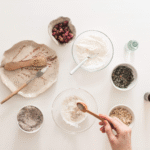
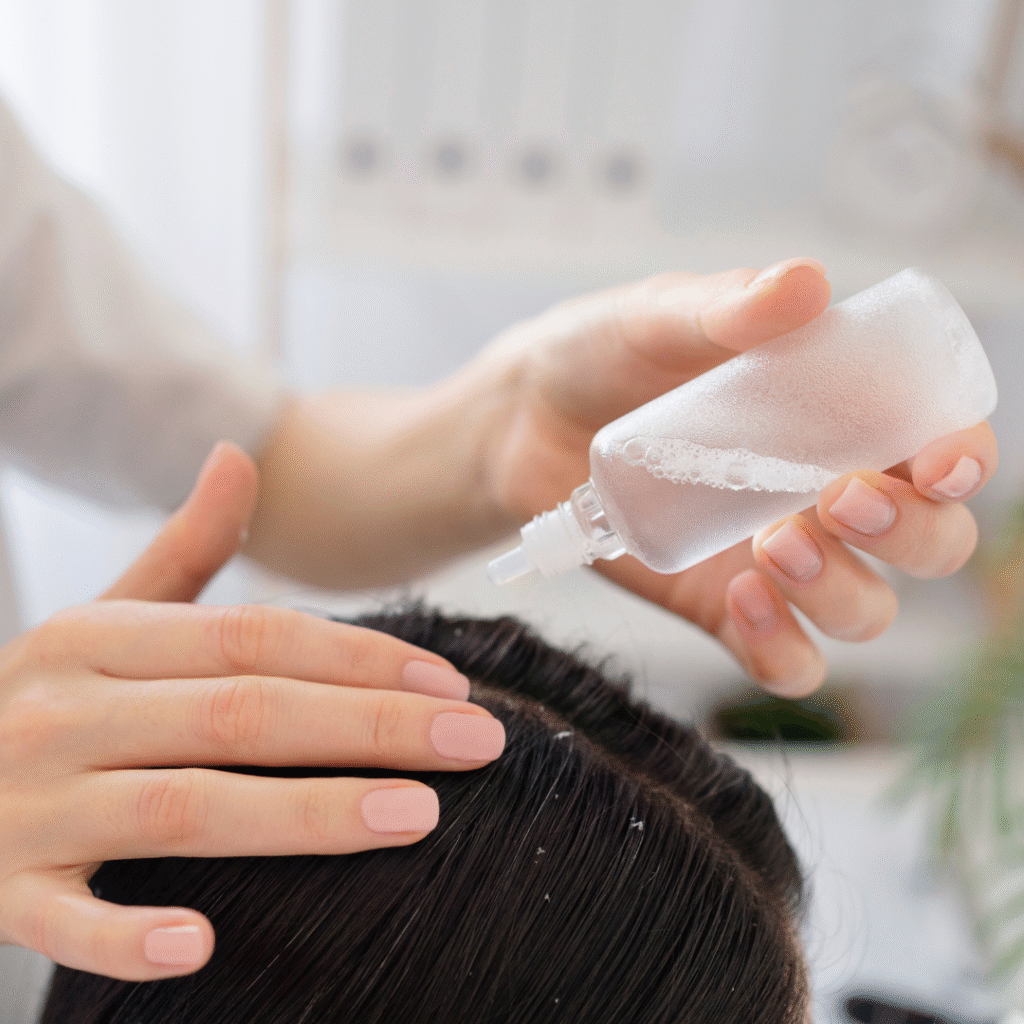

Homemade scalp scrubs can be a simple, effective addition to a hair care routine aimed at promoting healthy hair growth. By exfoliating the scalp, these scrubs remove dead skin cells, excess oil, and product buildup that may clog hair follicles. This unclogging process supports a healthier environment for hair to grow.
A well-formulated scalp scrub improves blood circulation, which can nourish hair roots and encourage stronger strands. Many natural ingredients used in homemade scrubs also provide gentle cleansing without harsh chemicals often found in commercial products.
Using a scalp scrub regularly can enhance overall scalp health, making it easier to maintain clean, fresh hair and potentially reducing common issues such as dandruff. This makes homemade scalp scrubs a practical choice for those invested in improving their hair care regimen.
Why Scalp Exfoliation Is Key for Healthy Hair Growth
Scalp exfoliation removes dead skin cells and product buildup, which are major barriers to follicle health. It clears impurities and unclogs hair follicles, creating an environment that supports natural hair growth. Exfoliating regularly can also tackle common scalp issues like dandruff and scalp buildup.
How Exfoliation Benefits the Scalp and Hair
Exfoliation gently removes excess dead skin cells and product residues that accumulate on the scalp. This clearing process prevents clogged hair follicles, which can inhibit hair growth and lead to scalp irritation.
By removing these blockages, exfoliation improves blood circulation to the scalp. Better circulation delivers essential nutrients to hair follicles, promoting stronger and healthier hair strands.
Regular exfoliation also balances scalp oils, reducing excess sebum without stripping necessary moisture. This balance is important for maintaining a healthy scalp environment conducive to hair growth.
The Link Between Scalp Health and Hair Growth
Hair follicles rely on a clean and healthy scalp to function optimally. When scalp buildup occurs, follicles can become blocked, slowing down or stopping new hair from growing.
Healthy scalp skin supports the hair growth cycle. It provides the right conditions for follicles to enter the anagen (growth) phase regularly, which is essential for continuous hair production.
Poor scalp health, often caused by dandruff or product residue, can trigger inflammation. This inflammation weakens hair follicles and may cause premature hair thinning or shedding.
While topical treatments and scrubs help maintain the scalp, some people face more permanent hair loss that requires a different approach. When thinning becomes advanced, medical interventions often provide more visible results than home remedies alone.
Many people now look for professional clinics that specialize in permanent restoration techniques. For those who consider surgical options, a hair transplant procedure provides a way to restore density with modern methods. These procedures help fill in areas where follicles no longer produce hair naturally. This step often follows a period where people tried various scalp care routines but did not see the desired results.
Common Scalp Issues Addressed by Scrubs
Scalp scrubs effectively reduce dandruff by removing the flakes and flakes’ root causes, such as excess dead skin and sebum. They also decrease scalp buildup from styling products and oils.
Using scrubs helps unclog hair follicles by removing impurities trapped in the scalp. This unclogging supports the scalp’s natural ability to regenerate cells and maintain healthy hair growth cycles.
Scalp scrubs can relieve itchiness and irritation caused by dryness or product overload. These benefits contribute to a more comfortable scalp and prevent damage to hair follicles from scratching or inflammation.
Essential Ingredients for Effective Homemade Scalp Scrubs
Effective scalp scrubs combine exfoliants, oils, and soothing botanicals to clean, nourish, and stimulate the scalp. Selecting the right mix boosts scalp health and can improve hair growth by addressing buildup, dryness, or irritation.
Natural Exfoliants and Their Benefits
Natural exfoliants remove dead skin cells and unclog hair follicles without harsh chemicals. Common options include sugar, sea salt, oatmeal, and coffee grounds.
- Sugar scrubs are gentle, dissolving easily without damaging the scalp. They help increase circulation and remove dirt.
- Sea salt offers a coarser texture, ideal for oily scalps, helping to regulate excess sebum.
- Oatmeal scrubs soothe irritation and reduce inflammation while providing gentle exfoliation. Coffee scrubs invigorate the scalp through caffeine’s stimulating effect, potentially promoting blood flow.
Each exfoliant suits different scalp needs, but all support cleanliness and preparation for hair growth.
Nourishing Oils and Moisturising Agents
Nourishing oils restore moisture and protect the scalp’s natural barrier after exfoliation. Popular oils include coconut, olive, avocado, almond, and jojoba oil.
- Coconut oil moisturises deeply and has antimicrobial properties.
- Olive oil softens the scalp and reduces dryness.
- Avocado oil is rich in vitamins A, D, and E, aiding scalp nourishment.
- Almond oil offers light hydration without heaviness.
- Jojoba oil closely mimics natural scalp sebum, balancing oil production.
Adding these oils improves scalp texture and prevents irritation from exfoliation.
Healing Botanicals and Enhancers
Certain botanicals soothe and heal the scalp, reducing sensitivity or inflammation. Aloe vera gel is commonly used for its cooling, hydrating effects. It calms itchiness and supports scalp repair.
Peppermint essential oil provides a refreshing sensation and stimulates blood circulation, enhancing scalp health. Tea tree oil offers antifungal and antibacterial benefits, helping to manage dandruff and scalp infections.
Lemon juice works as a mild exfoliant and helps balance scalp pH, but should be used sparingly to avoid irritation.
These components boost the therapeutic effects of a homemade scalp scrub.
Choosing Ingredients for Different Scalp Types
Scalp type affects ingredient choice to ensure effectiveness without irritation.
- For dry scalps, oatmeal scrubs combined with moisturising oils like avocado or coconut oil soothe and hydrate.
- For oily scalps, sea salt and tea tree oil reduce excess oil and control bacteria.
- For sensitive scalps, gentle sugar scrubs with aloe vera and almond oil calm irritation.
- For normal scalps, a balanced mix of sugar scrub, jojoba oil, and peppermint oil supports regular maintenance.
Tailoring ingredients helps address specific scalp conditions and promotes healthy hair growth.
DIY Scalp Scrub Recipes for Hair Growth
Effective scalp scrubs combine exfoliating agents with nourishing ingredients to cleanse and stimulate the scalp. These homemade options target different scalp concerns such as dandruff, buildup, and dryness, while promoting a healthy environment for hair growth.
Simple Sugar and Oil Scalp Scrub
This basic diy scalp scrub combines granulated sugar with coconut oil to exfoliate gently and moisturise. Sugar acts as a natural abrasive that removes dead skin cells and unclogs hair follicles. Coconut oil provides hydration and has antimicrobial properties.
To make the scrub, mix 2 tablespoons of sugar with 1 tablespoon of melted coconut oil. Apply it to the scalp using circular motions for about five minutes to stimulate blood flow. Rinse with warm water and follow with a mild shampoo. This homemade scalp scrub recipe suits most hair types and helps reduce dandruff by clearing flakes.
Clarifying Lemon and Sea Salt Scrub
The lemon and sea salt scrub is ideal for oily scalps needing a deep cleanse. Sea salt exfoliates by removing dirt and excess oils, while lemon juice offers astringent properties to balance scalp pH.
Combine 1 tablespoon of finely ground sea salt with 1 tablespoon of fresh lemon juice. Massage carefully into the scalp for 3 to 4 minutes, then rinse thoroughly. Lemon’s natural acidity helps diminish oiliness without harsh chemicals. This clarifying scalp scrub removes residue from styling products and buildup, supporting a healthier scalp environment.
Soothing Aloe Vera and Oatmeal Scrub
For sensitive or irritated scalps, aloe vera and oatmeal form a calming scrub. Oatmeal gently exfoliates without causing abrasion, while aloe vera soothes inflammation and moisturises the skin.
Blend 2 tablespoons of ground oatmeal with 2 tablespoons of pure aloe vera gel. Apply the mixture softly on the scalp, massaging for 4 to 5 minutes before rinsing. This diy scalp scrub recipe addresses redness and dryness while promoting scalp comfort. Its mild ingredients make it suitable for frequent use.
Stimulating Coffee and Honey Scalp Scrub
Coffee and honey combine exfoliation with increased circulation in this stimulating coffee scalp scrub. Ground coffee removes dead skin, and caffeine is believed to invigorate hair follicles. Honey adds antibacterial properties and retains moisture.
Mix 2 tablespoons of finely ground coffee with 1 tablespoon of natural honey. Massage into the scalp for 5 minutes in circular motions, then wash off with shampoo. This homemade scalp scrub can help reduce dandruff and improve scalp health by removing buildup while nourishing the skin underneath.
How to Use and Integrate Scalp Scrubs into Your Hair Care Routine
Scalp scrubs should be applied carefully to avoid irritation while ensuring effective cleansing. Integrating them into a consistent hair care regimen improves scalp health without over-exfoliation. Combining scrubs with moisturising treatments supports overall hair growth.
Preparing and Applying Your Scalp Scrub
To prepare, dampen the scalp and hair with warm water to soften dead skin cells. Use a small amount of the scalp scrub—about a teaspoon for medium hair length. Apply the scrub using fingertips, not nails, to prevent scratches.
Focus on gentle circular motions across the scalp, covering all areas evenly. Avoid pressing too hard; light to moderate pressure stimulates circulation and removes buildup without causing irritation. Rinse thoroughly with lukewarm water to remove all residue.
If the scrub contains oils or natural ingredients, allow a few minutes for absorption before rinsing if recommended. Afterwards, gently pat the scalp dry with a towel.
Frequency, Safety, and Tips for Best Results
Scalp scrubs should be used once or twice weekly. Overuse can cause dryness or irritation, especially with sensitive or dry scalps. Pay attention to scalp reactions and adjust frequency if redness or discomfort occurs.
Avoid using scalp scrubs on open wounds or inflamed areas. If dry scalp is present, select scrubs with hydrating ingredients like coconut oil or honey. Avoid harsh abrasive components, such as salt, if the scalp is sensitive.
Regular use promotes scalp cleansing by removing flakes and product buildup, encouraging better hair follicle health. Always follow with a gentle shampoo to ensure no scrub particles remain.
Combining Scrubs with Leave-In Conditioners and Hair Masks
After scalp exfoliation, the scalp absorbs moisturising products more effectively. Applying a leave-in conditioner helps maintain hydration and reduce dryness caused by scrubs.
A weekly hair mask targeted for scalp care complements scrubs by providing deep nourishment. Choose DIY hair masks containing ingredients like aloe vera or avocado for hydration and soothing.
Apply leave-in conditioner and masks primarily to the hair shaft and ends, but gently massage small amounts into the scalp if dryness occurs. Allow these products enough time to penetrate before styling. This routine supports healthier hair growth through balanced scalp care.