
Many people look for effective skincare solutions that are natural and easy to prepare. Certain kitchen ingredients can be used to create homemade face masks that offer real benefits for the skin. These natural ingredients are often gentle, affordable, and accessible, making them a practical choice for daily skincare.
Using ingredients from the kitchen means avoiding harsh chemicals often found in commercial products. This approach allows individuals to customise their skincare routines with simple, proven items they already have at home.
This article highlights five common kitchen ingredients that can double as powerful face masks, offering natural care for various skin types.
Why Kitchen Ingredients Make Effective Face Masks
Kitchen ingredients often contain specific nutrients and natural compounds that support skin health. These elements can gently exfoliate, combat bacteria, and provide antioxidants. Using common household items allows for tailored skincare that suits different skin types and concerns.
Advantages of Using Household Items for Skincare
Household items provide a cost-effective and accessible way to care for the skin. They typically contain fewer synthetic chemicals, reducing the risk of irritation for sensitive skin. Many kitchen staples, such as honey or oatmeal, have natural antibacterial or antimicrobial properties, making them effective for acne-prone skin.
DIY face masks using kitchen ingredients are versatile and easy to adjust for specific skin needs. Natural face masks often serve as gentle exfoliants, removing dead skin without harsh abrasives. This makes them suitable for combination skin that requires both cleansing and hydration.
Key Nutrients and Compounds in Everyday Kitchen Staples
Many kitchen ingredients offer beneficial nutrients like vitamins A, C, and E, which act as antioxidants. For example, avocado contains vitamin E and fatty acids that moisturise and nourish the skin deeply. Meanwhile, yoghurt provides lactic acid, a gentle exfoliant which can improve skin texture.
Honey contains enzymes and antibacterial agents that help reduce acne-causing bacteria. Ingredients such as turmeric have anti-inflammatory effects, helping reduce redness and irritation. These compounds work together to provide targeted skincare benefits without the need for synthetic additives.
Safety, Suitability, and Skin Types
Not all kitchen ingredients are suitable for every skin type. People with sensitive skin should patch test before applying DIY face masks extensively. Some natural compounds, like citrus juices, can cause irritation or photosensitivity.
For acne-prone skin, ingredients with antibacterial properties like honey or turmeric are preferable. Combination skin may benefit from masks that balance hydration and oil control, such as oatmeal mixed with yoghurt. It is important to consider allergies and sensitivities to avoid adverse reactions while using natural masks.
The Five Most Powerful Kitchen Ingredients for Face Masks
Certain common kitchen ingredients have properties that benefit skin health significantly. They can moisturise, exfoliate, tighten pores, and support skin renewal without harsh chemicals.
Honey: Nature’s Humectant and Healer
Raw honey is a natural humectant, meaning it attracts and retains moisture in the skin. Its antibacterial properties help reduce acne-causing bacteria, promoting clearer skin.
Honey contains antioxidants that support skin healing and reduce inflammation. Applying honey as a mask can soothe irritated skin and improve hydration without clogging pores.
Using honey regularly encourages skin softness and may help reduce fine lines due to its moisturising effect. It is suitable for most skin types, especially dry or sensitive skin.
Oats: Soothing and Gentle Exfoliation
Ground oats act as a gentle exfoliant that removes dead skin cells without causing irritation. They contain compounds called saponins, which cleanse pores and reduce oiliness.
Oats are known for their soothing properties. The anti-inflammatory effects help calm redness, making them ideal for sensitive or dry skin.
Their natural texture buffers the skin while absorbing excess oil. Combined with water or honey, oats form a mild, effective treatment for dull and irritated skin.
Avocado: Deep Nourishment and Hydration
Rich in vitamins E and A, avocado deeply nourishes and hydrates the skin. These vitamins support collagen production, which is essential for skin firmness and elasticity.
Avocado’s high fatty acid content strengthens the skin barrier, preventing moisture loss. It is excellent for dry or mature skin needing extra hydration and repair.
Using mashed avocado as a mask leaves skin feeling soft and supple. Its antioxidant properties also help protect against environmental damage.
Yoghurt and Milk: Lactic Acid Exfoliation and Brightening
Yoghurt and milk contain lactic acid, a mild alpha-hydroxy acid that exfoliates dead skin cells gently. This process promotes skin renewal, revealing brighter, smoother skin.
Lactic acid helps reduce dullness and evens skin tone without the harshness of stronger acids. Additionally, proteins in milk nourish and hydrate while helping maintain the skin’s natural barrier.
These dairy products tighten pores and can improve skin texture with regular use. They suit those seeking gentle exfoliation without irritation.
Egg Whites: Skin Tightening and Pore Minimising
Egg whites are known for their skin-tightening properties and can temporarily reduce the appearance of fine lines. They help minimise pores by firming the skin’s surface.
Protein in egg whites supports skin elasticity while drawing out excess oil from clogged pores. This makes egg white masks effective for oily or combination skin types.
Regular use may improve skin tone and texture, leaving it feeling firmer. Egg whites dry quickly, forming a thin film that provides a visible tightening effect during application.
While these home methods provide a temporary lift, they do not change the structure of the face. People who have more advanced signs of aging often look for solutions that offer more permanent results. A McLean facelift targets the deeper layers of the face.
This procedure is different from a mask because it moves the actual tissue to restore a youthful shape. It is a common choice for those who want to see a real difference in their profile and jawline.
Other areas of the face also show age quickly, particularly the eyes. Heavy eyelids and bags under the eyes often make people look tired even when they are well rested. While masks can hydrate this delicate skin, they cannot fix loose tissue or fat deposits. Many individuals choose surgical options like blepharoplasty los angeles to address these specific concerns. This surgery removes excess skin and fat to create a refreshed appearance.
Customising Kitchen Face Masks for Different Skin Needs
Different skin concerns require targeted ingredients and combinations for effective, natural skincare. Choosing the right kitchen face mask can address sensitivity, dryness, oiliness, or ageing, making DIY treatments both practical and tailored.
Soothing Masks for Sensitive or Acne-Prone Skin
Masks with calming ingredients like oatmeal and banana help reduce redness and irritation common in sensitive or acne-prone skin. Oatmeal acts as a gentle exfoliant and anti-inflammatory agent. Banana soothes and hydrates without clogging pores.
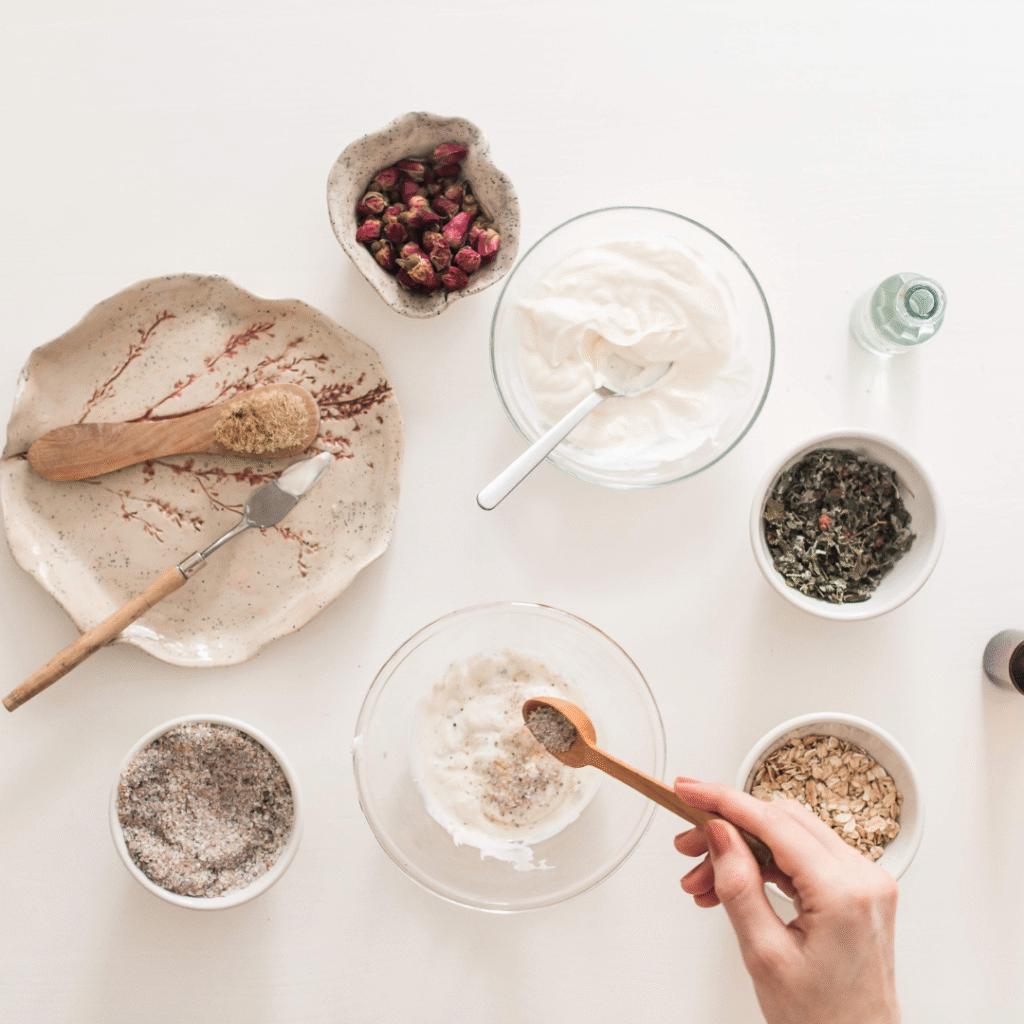
A popular soothing face mask includes blending mashed banana with ground oatmeal and a touch of honey. Honey and yoghurt can also be added to enhance antibacterial properties while maintaining moisture balance. This combination avoids harsh chemicals and supports skin healing.
Using such masks consistently can minimise flare-ups and discomfort. These recipes are ideal for sensitive skin needing gentle cleansing without stripping natural oils.
Hydration and Glow for Dry and Tired Complexions
For dry or dull skin, masks packed with avocado provide deep moisturisation thanks to natural oils and vitamins. Combined with honey or yoghurt, they restore suppleness and promote a natural glow.
A DIY avocado mask mixed with honey and yoghurt works to replenish hydration and smooth fine lines caused by dryness. The lactic acid in yoghurt lightly exfoliates dead skin cells, enhancing brightness.
This blend targets tired skin, improves texture, and revitalises the complexion. It is especially useful during colder months or after prolonged exposure to dry environments.
Oil Control and Brightening for Oily Skin
Oily skin benefits from masks that balance sebum production while brightening dull areas. Ingredients like oatmeal and yoghurt absorb excess oil without harsh dryness.
A brightening face mask could combine oatmeal with yoghurt and a squeeze of lemon juice. Lemon adds mild exfoliation and reduces excess oil, but should be used sparingly to avoid irritation.
This mix controls shine and helps maintain clearer skin. Regular use reduces the visibility of pores and prevents breakouts.
Anti-Ageing and Skin Renewal Options
Kitchen ingredients like avocado and honey support skin renewal and can soften the appearance of fine lines. These masks provide antioxidants and nutrients vital for skin repair.
A DIY mask combining mashed avocado with honey creates a nourishing anti-ageing treatment. Honey boosts collagen production and has antibacterial benefits, while avocado supplies essential fatty acids.
Such masks encourage cell turnover and improve skin elasticity. They offer a natural alternative to chemical products, targeting early signs of ageing without damaging sensitive skin.
Tips for Safe and Effective DIY Face Mask Application
Applying natural face masks requires careful attention to skin reactions, proper usage, and avoiding common errors. Understanding these elements ensures that homemade face masks provide benefits without causing irritation or damage.
Patch Testing and Frequency
Before applying any DIY face mask, it is essential to perform a patch test. This involves applying a small amount of the mixture to a discreet skin area, such as behind the ear or on the inner wrist. Wait 24 hours to observe any redness, itching, or swelling.
Patch testing helps prevent allergic reactions or sensitivity to ingredients like lemon juice or honey. Homemade face masks should not be used more than two to three times weekly to avoid over-exfoliation or excessive dryness. Frequency depends on skin type; oily skin may tolerate more, while sensitive or dry skin needs less frequent application.
Application Best Practices and Removal
Apply natural face masks evenly using clean fingers or a brush, avoiding the eye and lip areas where skin is thin and sensitive. Use a gentle, circular motion to spread the mask, ensuring a thin, consistent layer.
Allow the mask to sit for the recommended time, usually 10-20 minutes. Remove the mask with lukewarm water, gently massaging skin to aid exfoliation. Avoid hot water, which can strip natural oils. Pat the skin dry with a soft towel, then follow with moisturiser to restore hydration. However, when a complexion takes on a persistent yellowish or lacklustre tone, it might be best to identify contributing factors. A yellowish or dull complexion, also referred to as sallow skin, can be caused by various factors, such as dehydration, poor diet, or lifestyle habits. Identifying and addressing these root causes can be important for restoring skin’s natural radiance.
Common Mistakes to Avoid
One frequent mistake is leaving a DIY face mask on for too long, which can lead to irritation or dryness. Users may also apply masks on broken or inflamed skin, increasing sensitivity and risk of infection.
Another error is neglecting to clean the face before application, which reduces effectiveness. Using harsh scrubbing motions during removal can damage the skin barrier. Lastly, mixing incompatible ingredients, like acidic lemon with baking soda, may cause harsh reactions and should be avoided.