
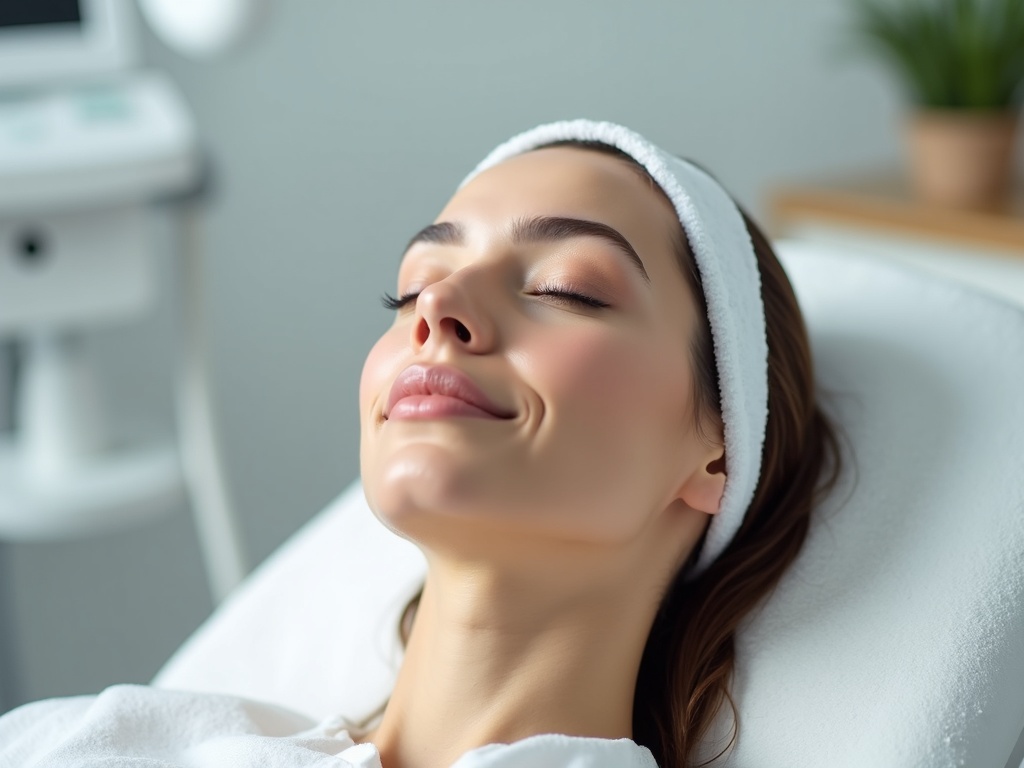

With acne that becomes refractory to normal treatments, patients don’t know what else to do. After avoiding the common options of topical creams and prescription grade cleansers/antibiotics/topicals and seeing diminishing returns after a few months or even years of waiting and hoping for change, the idea of getting more aggressive and direct with treatment starts to make sense. Medical laser acne treatment is one approach.
However, many people don’t understand what happens when someone gets laser acne treatment. They don’t have a clear picture of the process or the technology, which often pushes them into the unknown about whether this is a worthwhile endeavor. By assessing the realities of laser technology and the process, patients can get a clearer picture of what to expect and if it can be effective for them.
How It Works
Laser treatment works differently than topical options or oral antibiotics. Many people start with the belief that those are already applied to reduce or kill bacteria. They believe they can apply drying agents to dry out skin and stop acne in its tracks. They also apply antibiotics that go into the bloodstream to circulate throughout the body and lessen medication side effects with acne reduction rates.
Laser technology cuts out the middleman by going straight to the source, the sebaceous glands. Rather than trying to dry out skin or kill bad bacteria, laser treatment goes straight to the oil-producing glands beneath the skin that cause overproduction and subsequent clogged pores that create the perfect breeding ground for acne bacteria.
Like any other disease and bodily response, the more direct you can get without overloading the body with chemicals, the better. Additionally, for those who are already taking antibiotics and other medications with diminishing returns, this treatment option offers more of a direct impact, which makes it more attractive.
Sebaceous glands are activated by oil. The idea of moving in on them with wavelengths of light energy makes sense; it’s how lasers work. Different systems utilize different wavelengths in different approaches to reduce these glands and their outputs.
Some laser systems simply heat things up for smaller treatment areas. Others look for specific chromophores beneath the surface that make sense as red flags for the potential for increased acne production.
Lasers have come a long way in the past decade. Newer systems allow for comfortable experiences across skin types. Patients who have experienced negative responses to isotretinoin or oral antibiotics no longer need to worry if their side effects are too significant when treatments like aviclear acne treatment work so well locally without side effects outside of temporary discomfort.
Laser treatment doesn’t kill bacteria necessarily or dry out top layers of skin like topical agents; thus, it’s a different approach all together to reducing one of the causes of acne rather than allowing the condition to proliferate, causing additional side effects of scarring, uneven pigmentation, etc.
What Happens During a Session?
Walking into a medical laser acne session for the first time is uncomfortable if someone hasn’t been prepped with what will happen. It starts with cleansing the area, as much as people want to move on and believe there’s no dirt involved, makeup, sunscreen and surface oil sit on top of the skin without our knowledge and get in the way of laser absorption, so clean skin is effective for laser penetration.
Most laser treatments work without a numbing cream. Those who are especially sensitive (and there’s a lot of variability among different patients) have clinics that are willing to apply numbing cream if needed. Otherwise, it’s not required. Depends on the system used but many report warm tingling, a mild snapping, against the skin. Generally, it’s not painful enough where you’d need an anesthetic.
The application process depends on how large an area is being treated. The face alone could take 20 to 30 minutes; larger areas require longer as the exact area being treated is followed around like a continuous line segment with a laser handpiece.
At least, that’s how it appears from the outside. Systems employ cooling applications that sometimes help reduce pain as well.
When being treated, clients may feel warm, they may also feel red in certain areas almost immediately but that’s a good thing, it’s not cause for alarm. It means penetration is happening within the layers of epidermis and dermis where the sebaceous glands exist; they’re not creating damage but an appropriate biological response.
What Happens to Skin Immediately After?
Generally, right after a session, patients report flushed skin, like a sunburn, but this tends to dissipate over a few hours. Some people are more sensitive than others so they hold red or pink for a day or two. The skin may feel hot or tender but no extremes should be felt if sensitivity is kept at bay with post-treatment soothing options.
No one has to take time off after getting laser treatment unless they want to. There’s rarely significant downtime (unless they’ve been suggested by their doctor); there’s no over-hanging bandages, no need to stay out of work.
However, for at least a week post-treatment, patients should avoid excessive sun exposure since newly treated skin is more sensitive than before it received treatment.
Ironically, some people find that their acne looks worse immediately post-treatment over the next couple of days. This can be alarming if someone isn’t expecting it but typically, this is good news; it’s called purging, which occurs because existing clogged pores move faster toward the surface than they would typically.
The pH change reverses any additional buildup once oils are calmed down and this temporary condition should go away within a week or two.
In turn, treated areas should not be scrubbed or challenged with harsher products; lightly cleansing over the next couple of days is all that’s necessary, maybe with additional basic moisturizing. During treatment recovery, calm down what you previously did until you understand how your body responds.
What’s the Timeline for Results?
Expectations should be set for realistic standards; this isn’t going to be a one time treatment every few years, this is going to be dependent upon your investment, both time and money, and a willingness to go through several sessions over weeks and months, and hope it works sooner rather than later.
Three sessions are common as initial investment standards though some people may find they need more if their acne is that severe or if they take longer to get into a rhythm with reduced glutathione production response.
Usually initial results won’t appear until about session two, or after, with finishing stages occurring four weeks later up to three months down the line, the idea being that each session helps encourage further adjustments until maximum power achieved minimizes future outbreaks speedily once lower-glutathione-level sebaceous glands adjust to the smaller response output.
Even then, it takes most people up to two or three months after finishing treatments (maybe five or six total weeks in between) to see what’s accomplished, even as new acne breaks should be limited (or small).
Sometimes they’re still allowed because they happen but they’re mild and nip in the bud quickly.
For some people, this means going from causing 14 breakouts in two weeks to maybe two benign spots in a month if they feel hormonal overdrive was powered by glutathione-based production response, but for others this might mean a 50% improvement still tracks compared to previous diagnostic criteria.
How It Compares to Options?
For people who want supplements over topical creams, topical creams do work well but not as effectively for everyone all the time; they’re much easier and accessible from at home and drug store options while there’s less financial investment involved, they’re $8 tubes instead of thousands lost over months for someone who’s cautious about their insurance coverage or ability to retain further meetings with dermatologists down the road if no natural response occurs.
For really severe issues makeup application costs persistent acne breaks down potential side effects from isotretinoin, the rebound body use, blood monitoring as well as greater resource allocation expansion effort due to pregnancy restrictions which assume tolerance levels number one population doesn’t have so it’s not worth waiting and wondering with worse possible information applied.
Laser treatment makes sense as essentially an approach midway; intentional treatments do require more time but they’ve proven successful over topical solutions without chemical balance instead transforming into whatever attempt it takes.
Not only that, the longevity factor, this isn’t like adding Differin plus for good, for as much money as you’ll pay, and three or four sessions down the line, they hope this substantially changed/sealed/scarred sebaceous gland will let someone live happily ever after without daily treatment but suggests quarterly/yearly maintenance sessions once you’re older with clearer skin and confident short sessions that treat any new potential problems faster before they grow.
Who It’s Best Suited For?
Laser acne treatment works best in certain situations: mid-grade or severe acne conditions in those who already tried lower grade treatments and those who don’t want/will not consider oral medications due to side effects/concerns are critical markers.
Adults often work best, tired of trialing or erroring away their lives with products and medication attempts are ready to invest, whether it’s out-of-pocket, as long as they’re less likely for world-class side effects adults often don’t want more global side effects.
And though some systems take smaller equities into equities based on type, this is more equitable across skin types compared to older school treatments that didn’t take darker versions as seriously while adding higher risk elements (side effects) instead factoring equity into equity more just because older systems took fewer people on board properly.
Final Expectations
Thus treatment isn’t magic; it won’t clear it overnight/diminish entirely. It might give you 12 out of 14 spots, but when combined with more expensive drugs topicals make sense compared.
To those who haven’t done anything yet since it’s complicated looking at costs/benefits/options, this makes sense as it’s far easier than applying cheap products over-the-counter shelves then bringing them back in, and laser literally means we have instant feedback compared.
Clearer skin experiences at least something so those who’ve struggled for years makes it worthwhile regardless if patients know what’s happened during sessions, not what’s gone on behind closed doors, and how scientifically sound it all is.