
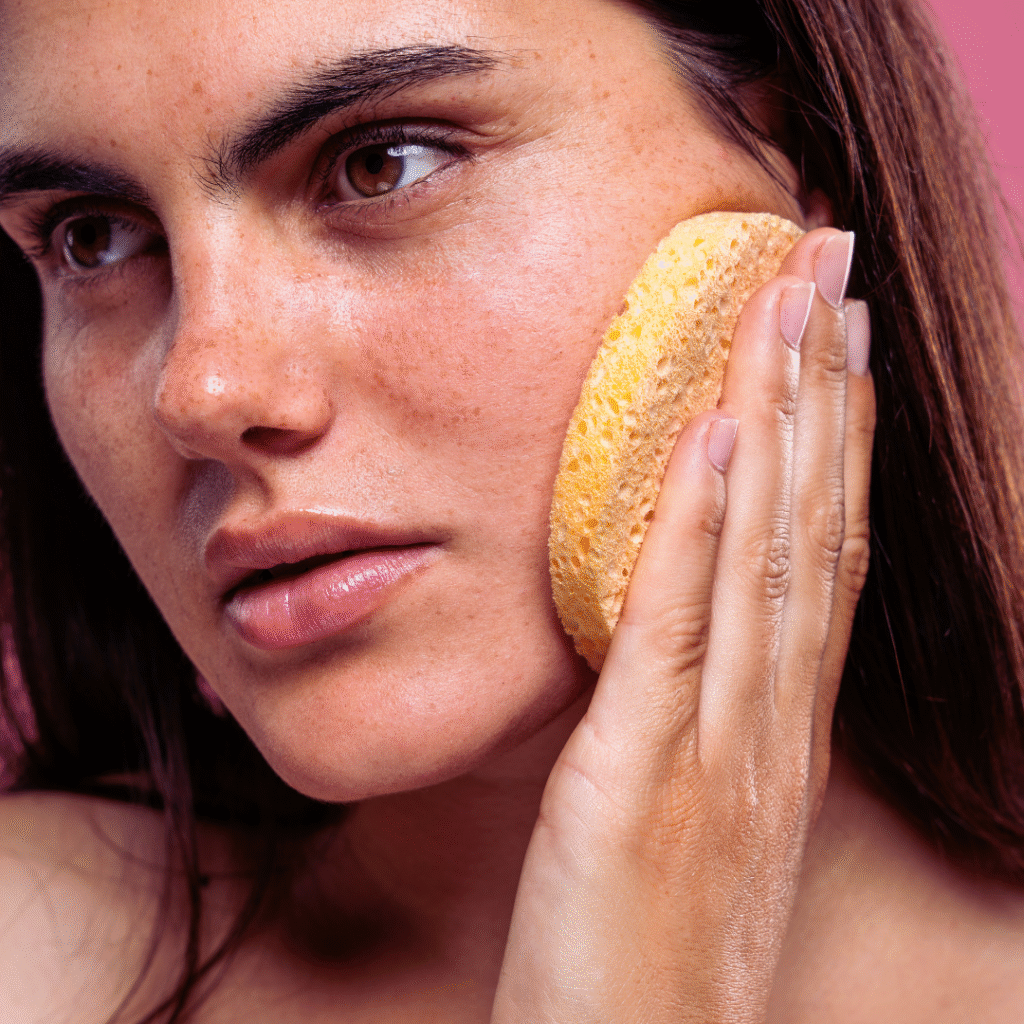

Many people do not realise that common daily actions can quietly harm their skin over time. These habits often go unnoticed because their effects are gradual and subtle, making it easy to ignore their impact.
Everyday behaviours such as skipping sunscreen, over-washing the face, and using harsh skincare products can lead to premature ageing and irritation. Understanding these hidden skin saboteurs is essential for maintaining a healthy, radiant complexion.
By identifying and adjusting these routines, anyone can protect their skin more effectively. Simple changes can make a significant difference in preventing long-term damage.
Common Everyday Habits That Secretly Damage Your Skin
Certain routine practices can cause unseen damage to the skin over time. These actions may lead to issues like premature ageing, breakouts, and pigmentation changes.
Skipping Sunscreen and Inadequate Sun Protection
Failing to apply sunscreen daily is one of the most common mistakes. Even on cloudy days, UV rays penetrate and contribute to premature fine lines, wrinkles, dark spots, and an increased risk of skin cancer.
Using a broad-spectrum sunscreen with SPF 30 or higher is crucial. Many underestimate the need to reapply every two hours, especially after swimming or sweating. Clothing and hats add physical barriers but do not replace sunscreen’s protective role.
Over-Exfoliating and Using Harsh Scrubs
Excessive exfoliation disrupts the skin’s natural barrier. Using abrasive scrubs or applying exfoliants too frequently can cause microtears and irritation, leading to redness and sensitivity.
Chemical exfoliants in the right concentration are safer alternatives. It is advised to exfoliate only 1-3 times a week, depending on skin type. Overdoing it breaks down collagen, potentially accelerating wrinkles and pigmentation problems.
Touching Your Face and Picking Skin
Frequent touching transfers bacteria and oils from hands to face, increasing the chance of breakouts and infections. Picking at skin blemishes can cause scars and worsen pigmentation.
Avoiding this habit is essential to maintaining skin health. Keeping hands clean and using tools like cotton swabs for spot treatment can reduce harm.
Sleeping with Makeup or Dirty Pillowcases
Leaving makeup on overnight clogs pores and interrupts the skin’s repair process. Residual cosmetics mix with bacteria, causing breakouts and dull skin.
Dirty pillowcases collect oils, sweat, and bacteria that transfer back onto the face. Changing pillowcases frequently and cleansing properly before bed helps prevent irritation and acne flare-ups.
Skincare Practices That Compromise Skin Health
Certain habits in skincare routines can weaken the skin’s natural defences and lead to irritation or damage. Incorrect product use, over-cleansing, and combining too many active ingredients are common issues that disrupt the skin barrier and acid mantle.
Using the Wrong or Expired Skincare Products
Using products not suited to one’s skin type can cause imbalance and worsen problems like dryness or oiliness. For example, heavy moisturisers may clog pores for oily skin, while harsh formulations can strip moisture from dry skin.
Expired products lose effectiveness and may harbour bacteria. Ingredients such as vitamin C and hyaluronic acid degrade over time, reducing benefits and potentially triggering irritation. Users should check expiry dates and discard products past their shelf life.
Patch testing new products is essential to avoid adverse reactions. Choosing gentle cleansers and moisturisers aligned with individual skin needs protects the acid mantle and skin barrier.
Over-Washing and Using Harsh Cleansers
Cleansing more than twice daily strips the skin of natural oils, damaging the acid mantle and weakening the skin barrier. This leads to redness, tightness, and increased sensitivity.
Harsh cleansers with strong surfactants remove essential lipids. Ingredients like sulphates irritate sensitive skin and disrupt moisture balance. A gentle cleanser with a neutral pH supports skin health.
People with dry or sensitive skin should avoid frequent washing with exfoliating agents or acids. Over-cleansing diminishes the skin’s ability to retain hydration, making moisturising less effective.
Mixing Too Many Active Ingredients
Combining multiple actives such as vitamin C, salicylic acid, niacinamide, and PHA in one routine can cause irritation. Each ingredient targets specific concerns, but overuse compromises the skin barrier.
Active ingredients work best when introduced gradually and used in appropriate concentrations. Vitamin C and niacinamide, for example, can be effective together if applied correctly, but layering acid exfoliants like salicylic acid and PHA increases the risk of redness and peeling.
Simplifying the skincare routine and alternating actives on different days helps maintain skin balance. Overloading with too many treatments reduces the effectiveness of moisturisers and weakens the overall protective function of the skin.
Lifestyle Factors and Neglect That Cause Skin Issues
Daily habits can undermine skin health by disrupting hydration, repair, and protection processes. Ignoring hydration needs, neglecting a proper nighttime routine, and exposure to poor indoor air all contribute to visible damage like dryness, redness, and inflammation.
Dehydration and Skipping Moisturiser
When skin lacks adequate moisture, it becomes dry and prone to flakiness and irritation. Dehydration weakens the skin barrier, reducing its ability to retain water and defend against environmental stressors. Without moisturiser, ceramide levels fall, impairing skin’s natural repair and leading to increased inflammation and redness.
Applying moisturiser daily helps lock in hydration and strengthen the skin barrier. Ideally, products with ingredients like ceramides, hyaluronic acid, and glycerin support moisture retention and promote glowing, radiant skin. Neglecting moisturising accelerates dryness and dullness, making skin appear tired and aged prematurely.
Not Maintaining Nighttime Skincare
Nighttime skincare is crucial for skin repair and regeneration. During sleep, skin cells renew, and damage from daily exposure is repaired. Skipping this routine interferes with these natural processes, often resulting in persistent inflammation and uneven skin tone.
A consistent night routine involving gentle cleansing, moisturising, and sometimes targeted treatments supports ceramide replenishment and hydration. Without it, skin can become rough, dehydrated, and prone to redness. This neglect diminishes the skin’s ability to maintain a healthy, radiant appearance.
Exposure to Poor Indoor Air Quality
Indoor air often contains pollutants and low humidity that exacerbate skin dryness and irritation. Environmental factors such as dust, volatile organic compounds (VOCs), and dry heat from heaters contribute to inflammation and damage the skin barrier.
Prolonged exposure to poor air quality leads to chronic dehydration and increased sensitivity, visible as redness and dullness. Using air purifiers and maintaining humidity levels can protect skin health and support hydration, helping maintain a radiant and supple complexion.
Long-Term Effects of Damaging Skin Habits
Persistent skin habits cause specific, lasting consequences. These include visible signs like wrinkles and dark spots, as well as deeper issues such as scarring and uneven pigmentation.
Premature Ageing and Loss of Radiance
Consistently neglecting sun protection accelerates premature ageing. Ultraviolet (UV) exposure breaks down collagen, leading to fine lines and deep wrinkles. This degradation causes skin to lose its firmness and elasticity over time.
Poor hydration and excessive facial touching also contribute to ageing. Dry skin tends to be dull, losing its natural glow and appearing tired. Repeated friction or pressure can worsen fine lines due to skin damage.
Long-term use of harsh skincare products damages the skin barrier. This damage hastens the formation of wrinkles and reduces the skin’s ability to bounce back, further dulling its radiance.
When daily habits and topical treatments are no longer enough to reverse these deep-set signs of aging, many people consider clinical options to restore their youthful appearance. Surgical procedures can address significant sagging and loss of elasticity in the lower face and neck that creams cannot fix.
For those seeking professional surgical intervention, consulting with a specialist in facelift Atlanta can provide clarity on the best approach. These procedures physically lift and tighten the underlying tissues for long-lasting results. This step is often the most effective way to restore definition to the jawline and smooth out deep folds.
Persistent Pigmentation and Scarring
Ignoring skin damage can lead to persistent pigmentation problems like dark spots. UV exposure stimulates melanin overproduction, causing uneven skin tone. These dark spots often stubbornly resist treatment without consistent care.
Frequent picking at blemishes causes scars. Such scarring creates uneven texture, which breaks the skin’s smooth appearance. Both pigmentation and scars are difficult to reverse and need specialised intervention.
Failing to treat inflammation promptly allows marks and pigment changes to become permanent. Persistent damaging habits increase risks for this long-term discolouration and scarring.