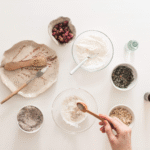


Many people struggle to find lip scrubs that truly soften and exfoliate without causing irritation. DIY lip scrubs offer a simple, effective solution by using natural ingredients that gently remove dry skin while nourishing the lips.
Making a homemade lip scrub allows control over ingredients, ensuring the product suits different skin types and preferences. DIY lip scrubs often combine sugar or salt with oils and moisturisers to create a balanced, exfoliating treatment.
This article explains which homemade lip scrubs work best and how to make them, helping readers achieve smoother, healthier lips without relying on commercial products.
Why DIY Lip Scrubs Actually Work
DIY lip scrubs work by combining exfoliating action with nourishing ingredients, helping to address dry and chapped lips effectively. The right components and techniques ensure gentle removal of dead skin, while promoting soft, kissable lips without harsh chemicals.
How Exfoliation Benefits Dry and Chapped Lips
Exfoliation removes dead skin cells that accumulate on dry or chapped lips, preventing flakiness and rough texture. This process improves the lip surface, allowing moisturisers to penetrate deeper and work more effectively. Without regular exfoliation, dead skin traps moisture, worsening dryness.
Gentle exfoliation using natural abrasives minimises irritation and supports the repair of delicate lip skin. It also stimulates blood flow, which may enhance the lip’s natural colour and softness. Consistent exfoliation is a key step in thorough lip care routines to maintain healthy, smooth lips.
Key Ingredients That Make a Difference
Common DIY lip scrub ingredients include sugar, honey, and oils like coconut or olive. Sugar provides a natural abrasive texture to slough off dead skin gently. Honey offers antibacterial and healing properties, aiding chapped lip recovery.
Oils moisturise and seal in hydration after exfoliation, preventing lips from drying out again. Ingredients like vitamin E oil add antioxidant benefits, promoting skin repair. Avoid harsh additives or overly gritty substances, as they can damage sensitive lip skin.
A balanced mix of exfoliants and moisturisers is essential for both effective dead skin removal and long-lasting softness.
Comparing DIY and Commercial Lip Scrubs
DIY lip scrubs allow full control over ingredient quality, avoiding unnecessary preservatives and synthetic fragrances often found in commercial products. This reduces the risk of allergic reactions or irritation, especially for sensitive lips.
Commercial scrubs may contain consistent textures and added moisturising agents, but they sometimes include chemicals that do not benefit delicate lip skin. DIY options can be made fresh and customised based on individual lip care needs.
Cost-effectiveness is another advantage of DIY scrubs, as simple ingredients are affordable and readily available. However, commercial scrubs may offer convenience and formulated ingredients tailored for specific lip conditions.
Essential Ingredients for Effective Homemade Lip Scrubs
Effective homemade lip scrubs depend on combining exfoliants, moisturisers, and beneficial additives precisely. Each ingredient plays a specific role, from gently removing dead skin to deeply hydrating the lips and adding soothing or protective properties.
Choosing the Best Exfoliants: Sugar, Coffee and More
Raw sugar is the most popular exfoliant due to its coarse texture and natural origin. It gently buffs away flaky skin without causing irritation. Fine sugars can also be used for a softer scrub.
Ground coffee offers a slightly coarser alternative with added antioxidants, which may benefit skin health. Salt is less common but effective if finely ground and used sparingly.
Avoid harsh exfoliants like large salt crystals or abrasive beads, as lips are delicate. The texture must be scrubby but comfortable enough not to cause micro-tears.
Moisturising Agents: Oils, Butters and Natural Additions
Oils like coconut oil, jojoba oil, and vitamin E oil are excellent moisturisers, helping lock in hydration after exfoliation. Coconut oil has antibacterial properties, while jojoba oil closely mimics natural skin oils, making it ideal for sensitive skin.
Shea butter is a thick, nourishing butter that softens and repairs dry, cracked lips. Adding honey provides both moisturising qualities and mild antibacterial effects, helping soothe and protect.
Balancing these moisturising agents ensures lips are left smooth and hydrated without feeling greasy or sticky.
Enhancing with Essential Oils and Nutrient Boosters
Essential oils such as peppermint and lavender bring both scent and therapeutic benefits. Peppermint essential oil stimulates circulation, giving a natural plump effect and a refreshing feel.
Lavender essential oil is calming and can help reduce inflammation or irritation. Both should be used sparingly to avoid sensitivity.
Vitamin E oil acts as an antioxidant protector and supports skin repair, making it a popular additive in lip scrubs. Small drops improve shelf life and effectiveness.
DIY Lip Scrub Recipes That Actually Work
Effective lip scrubs balance exfoliation with moisturisation to avoid irritation. These recipes combine natural ingredients that address dryness, remove dead skin, and leave lips soft and smooth.
Hydrating Sugar and Honey Lip Scrub
This lip scrub recipe uses fine sugar as a gentle exfoliant with honey for deep moisturisation. Honey is a natural humectant, helping lips retain moisture while sugar removes dry, flaky skin.
To make it, mix 1 tablespoon of fine sugar with 1 teaspoon of honey. Apply it to lips in small circular motions for about 2 minutes, then rinse off with warm water. Its simplicity makes it ideal for daily use, especially for those with dry lips.
The combination of sugar and honey creates a balanced scrub that soothes and hydrates without over-exfoliating.
Nourishing Coconut Oil Lip Scrub
Coconut oil is rich in fatty acids that nourish and repair dry lips. This lip scrub pairs coconut oil with sugar for exfoliation and healing.
Mix 1 tablespoon of granulated sugar with 1 teaspoon of coconut oil. Gently scrub lips using the mixture for 1-2 minutes, then wipe off residue. Coconut oil soothes chapped lips and provides a protective barrier to lock in moisture.
This recipe is particularly suited for those with sensitive or severely dry lips needing extra care alongside exfoliation.
Invigorating Coffee Lip Scrub
Coffee grounds provide effective exfoliation and stimulate circulation for healthier-looking lips. This lip scrub recipe combines ground coffee with a moisturising base.
Mix 1 tablespoon of finely ground coffee with 1 teaspoon of olive oil or coconut oil. Massage gently on lips in circular motions for 2 minutes, then rinse. The caffeine may improve lip tone and texture, while the oil softens skin.
This coffee lip scrub offers a refreshing alternative for exfoliation with added benefits for dry or dull lips.
Plumping Cinnamon Lip Scrub
Cinnamon acts as a natural irritant to mildly stimulate lips, promoting blood flow and a plumping effect. Used with sugar and oil, this scrub exfoliates and adds volume.
To prepare, combine 1 tablespoon of sugar, 1 teaspoon of coconut oil, and a small pinch of ground cinnamon. Rub gently on lips for 1-2 minutes before rinsing. Avoid overuse, as cinnamon can cause irritation if applied too frequently or in large amounts.
This lip scrub for dry lips is ideal for special occasions when a natural plump is desired without cosmetic products.
Application, Aftercare and Tips for Lasting Softness
Proper use and maintenance ensure the benefits of a lip scrub are maximised. Gentle application, consistent hydration, and safe storage keep lips smooth and healthy for longer.
How to Apply Lip Scrub for Maximum Effectiveness
Apply the lip scrub using clean fingers or a soft toothbrush in gentle, circular motions. This avoids irritation while helping to remove dead skin effectively.
Focus on the entire lip surface but avoid excessive pressure. Scrub for about 30 seconds to 1 minute, enough to exfoliate without damaging delicate skin.
Rinse thoroughly with lukewarm water and pat dry with a soft towel. Using the scrub 2-3 times per week prevents over-exfoliation, which can cause dryness or sensitivity.
Aftercare: Lip Balm, Masks and Moisturising
Immediately after scrubbing, apply a nourishing lip balm or a homemade lip balm rich in natural oils like coconut or shea to lock in moisture. This seals the skin and aids healing.
For deeper hydration, a lip mask can be used overnight. Ingredients like honey or aloe vera soothe and regenerate lips after exfoliation.
Reapply moisturiser throughout the day as needed. Avoid matte lipsticks or drying products soon after scrubbing to maintain softness and prevent cracking.
Safety Tips and Storage Recommendations
Store lip scrubs in a cool, dry place away from direct sunlight to preserve their effectiveness. Homemade scrubs without preservatives should be used within 1-2 weeks to avoid bacterial growth.
Always perform a patch test before first use, especially for those with sensitive skin. Avoid using scrubs on cracked or severely chapped lips to prevent further irritation.
Use clean hands or tools each time to reduce contamination risks. Label homemade scrubs with the date of preparation for safe usage tracking.