
Walk into any beauty hall or scroll through any skincare feed and you’ll see the word “antioxidant” plastered across serums, creams, and supplements. It’s become one of the most overused terms in the industry — yet very few people can actually explain what antioxidants do, why they matter for ageing skin, or how to use them properly. The truth is far more interesting than the marketing suggests, and the science behind antioxidants offers a genuinely fresh perspective on how we might slow the visible signs of premature ageing.
Rather than thinking of antioxidants as miracle ingredients, it helps to understand them as part of a larger defence system — one that your skin already relies on every single day. When that system becomes overwhelmed, damage accumulates, collagen breaks down, and fine lines appear earlier than they should. This article explores what’s really happening beneath the surface, which antioxidants have the strongest evidence behind them, and how to build a routine that actually delivers results.
What Are Antioxidants and Why Does Skin Need Them?
At their core, antioxidants are molecules that neutralise free radicals — unstable atoms or molecules that damage cells through a process called oxidation. Free radicals are generated constantly, both as a natural byproduct of metabolism and through external aggressors such as UV radiation, pollution, cigarette smoke, and even chronic stress.
Your skin is particularly vulnerable because it sits at the interface between your body and the environment. Every day, it absorbs the brunt of ultraviolet light, particulate matter from traffic, and blue light from screens. When free radical production outpaces the skin’s ability to neutralise them, the result is oxidative stress — a state now widely recognised by dermatologists and researchers as one of the primary drivers of premature skin ageing.
Oxidative stress damages cellular DNA, degrades collagen and elastin fibres, and triggers chronic low-grade inflammation. Over time, this manifests as wrinkles, sagging, uneven pigmentation, dullness, and a loss of that plump, resilient quality associated with youthful skin.
The Molecular Mechanism: How ROS Accelerate Skin Ageing
To understand why antioxidants matter so much, it’s worth looking at reactive oxygen species — commonly known as ROS. These are the specific free radicals most responsible for skin damage, and they include superoxide anions, hydroxyl radicals, and hydrogen peroxide.
The Collagen Connection
Collagen makes up roughly 75–80% of your skin’s dry weight and provides its structural framework. ROS activate enzymes called matrix metalloproteinases (MMPs), which literally chop up collagen fibres. At the same time, oxidative stress suppresses the production of new collagen by interfering with fibroblast function. This double hit — breaking down existing collagen while slowing new synthesis — is why oxidative damage is so visibly ageing.
The Role of Inflammation
ROS also trigger inflammatory pathways in the skin, including the activation of NF-kB, a protein complex that drives the production of pro-inflammatory cytokines. This creates a vicious cycle: inflammation generates more free radicals, which in turn fuel further inflammation. Researchers sometimes refer to this process as “inflammageing” — the slow, chronic inflammation that gradually erodes skin quality over time.
Mitochondrial Decline
The mitochondria — the energy powerhouses of your cells — are both a source and a target of ROS. As mitochondrial function declines with age and accumulated oxidative damage, skin cells produce less energy for repair and regeneration. This is one reason why skin becomes slower to heal and renew itself as the years pass.
The Most Powerful Antioxidants for Youthful Skin
Not all antioxidants are created equal. Some have decades of robust clinical research behind them, while others are little more than marketing buzzwords. Here are the ones that consistently demonstrate real benefits in peer-reviewed studies.
Vitamin C (L-Ascorbic Acid)
Vitamin C remains the gold standard of topical antioxidants. It neutralises free radicals, brightens skin by inhibiting tyrosinase (the enzyme responsible for melanin production), and is an essential cofactor for collagen synthesis. Research published in the journal Nutrients found that vitamin C at concentrations of 10–20% in topical formulations significantly improved signs of photoageing.
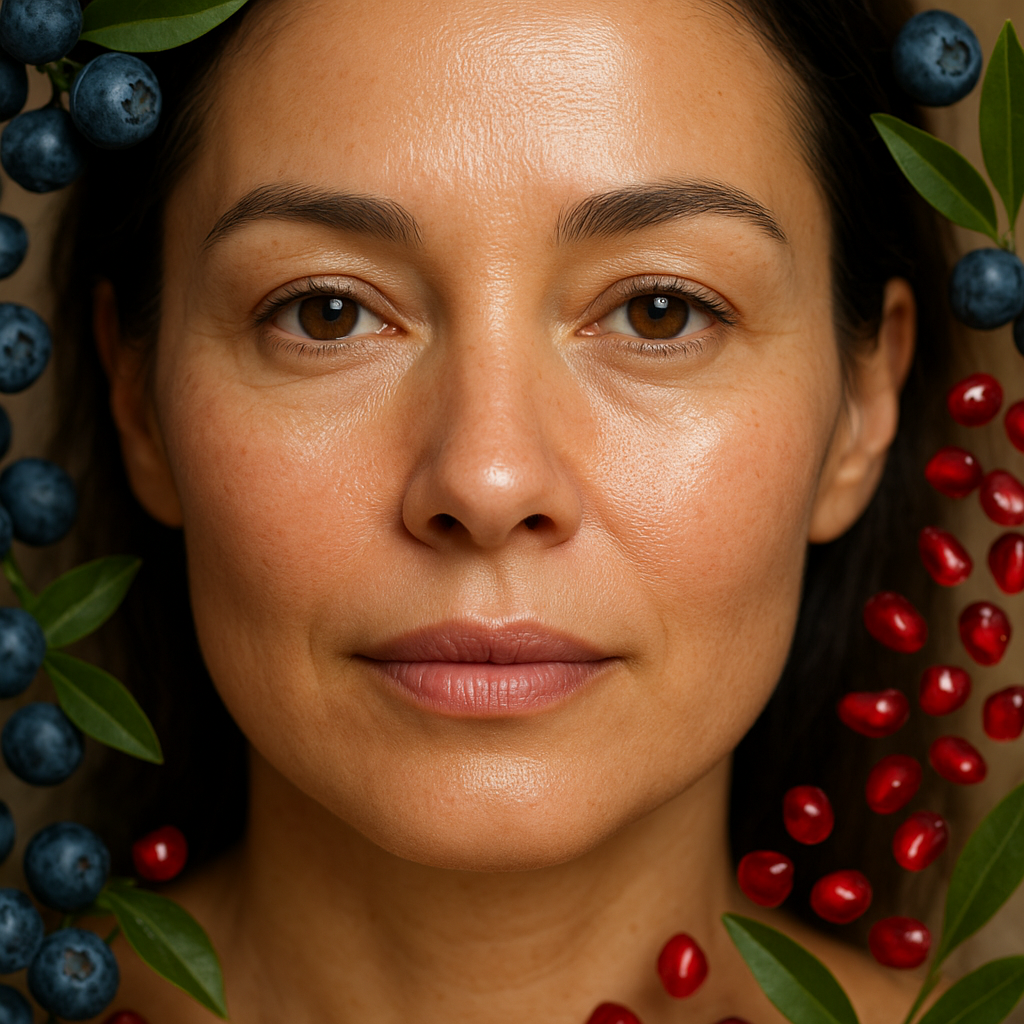
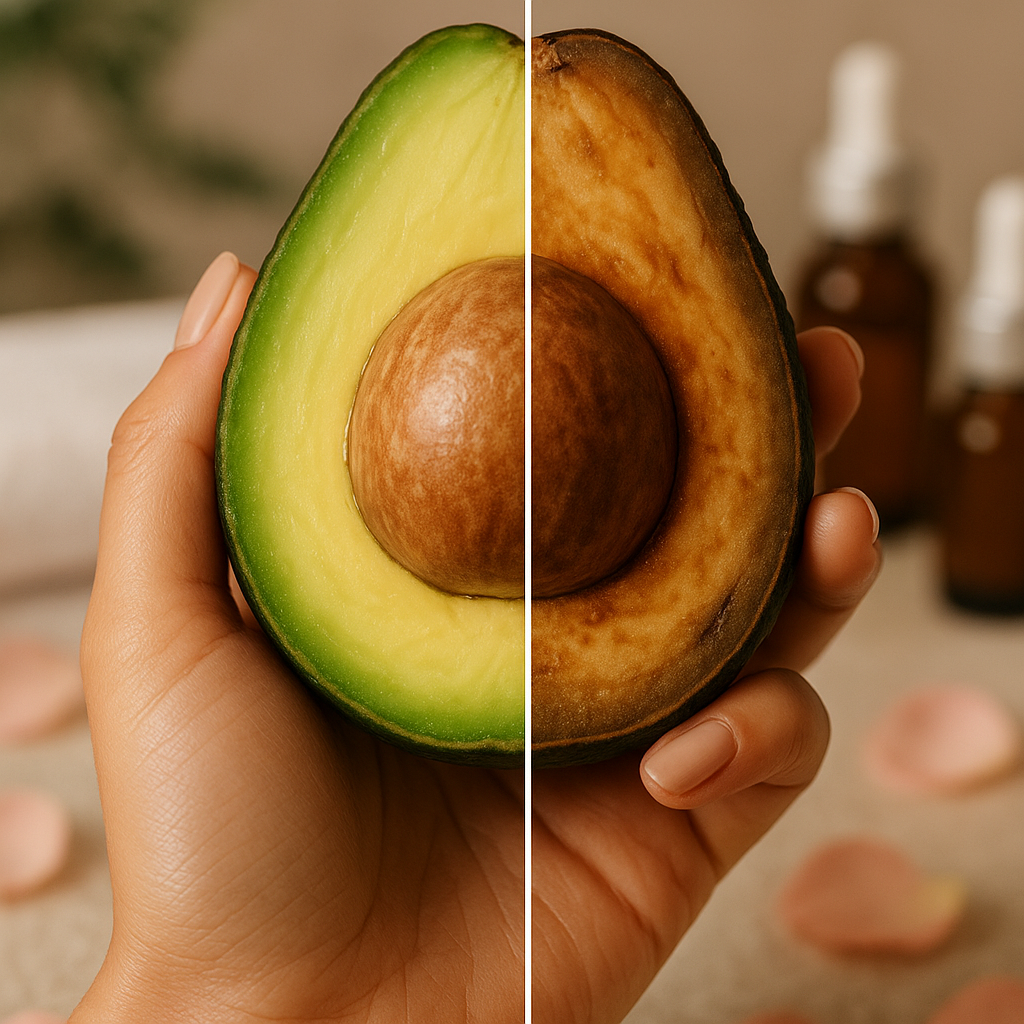
The catch? L-ascorbic acid is notoriously unstable. It oxidises quickly when exposed to light and air, turning brown and losing potency. Look for products in opaque, airless packaging, and consider derivatives like sodium ascorbyl phosphate or ascorbyl tetraisopalmitate if pure L-ascorbic acid irritates your skin.
Vitamin E (Tocopherol)
Vitamin E works synergistically with vitamin C — the two regenerate each other after neutralising free radicals, which is why you’ll often see them paired in formulations. Vitamin E is fat-soluble, meaning it integrates into cell membranes and protects lipids from peroxidation. Studies suggest that combining vitamins C and E provides roughly four times the photoprotection of either vitamin alone.
Coenzyme Q10 (Ubiquinone)
CoQ10 has attracted significant research attention for its role in mitochondrial energy production and its potent antioxidant activity within cell membranes. Levels of CoQ10 in skin decline with age, and topical application has been shown in clinical trials to reduce wrinkle depth and improve skin smoothness. A review published in BioFactors highlighted its potential for both topical and oral intervention in skin ageing, noting that it also helps protect against UV-induced damage.
Resveratrol and Polyphenols
Plant-derived polyphenols — found in green tea, grapes, berries, and dark chocolate — represent one of the most exciting areas of current antioxidant research. Resveratrol, found in grape skins and red wine, activates sirtuins, a family of proteins linked to cellular longevity and DNA repair. Green tea’s epigallocatechin gallate (EGCG) has demonstrated anti-inflammatory, anti-carcinogenic, and collagen-protective properties in multiple studies.
Niacinamide (Vitamin B3)
While not always classified purely as an antioxidant, niacinamide boosts the skin’s own antioxidant capacity by increasing levels of NADH and NADPH — the body’s endogenous antioxidant cofactors. It also strengthens the skin barrier, reduces hyperpigmentation, and has anti-inflammatory properties, making it one of the most versatile and well-tolerated ingredients available.
Can Antioxidants Reverse Skin Ageing?
This is one of the most common questions people ask — and the honest answer is nuanced. Antioxidants are primarily preventive rather than curative. They excel at protecting against further damage and creating the conditions for skin to repair itself, but they cannot fully reverse deep wrinkles or significant volume loss that has already occurred.
That said, consistent antioxidant use does produce visible improvements over time. A study published in the Journal of Cosmetic Dermatology found that participants using a topical antioxidant serum containing vitamins C and E alongside ferulic acid showed measurable improvements in fine lines, skin firmness, and overall brightness after 12 weeks. The key word is “consistent” — antioxidant protection is cumulative, and results build gradually over months rather than days.
Topical vs. Oral Antioxidants: Which Works Better?
This is another question that generates considerable debate. The short answer is that both matter, but they work through different mechanisms.
Topical antioxidants deliver concentrated protection directly to the skin’s surface and upper layers, where environmental damage hits hardest. They’re particularly effective at preventing UV-induced oxidative stress when applied before sun exposure (underneath sunscreen, of course).
Oral antioxidants — whether through diet or supplements — work systemically, supporting the skin from within. A diet rich in colourful fruits, vegetables, nuts, and seeds provides a broad spectrum of antioxidant compounds that work together in ways no single supplement can replicate. Research consistently shows that populations with high dietary antioxidant intake exhibit fewer signs of skin ageing.
The most effective strategy combines both approaches. Think of topical antioxidants as your frontline defence and dietary antioxidants as your internal support system.
How to Build an Antioxidant-Rich Skincare Routine
Knowing which antioxidants work is one thing; using them effectively is another. Here’s a practical framework for incorporating them into your daily routine:
- Morning: Apply a vitamin C serum to clean, dry skin. Follow with a moisturiser containing niacinamide or CoQ10, then finish with a broad-spectrum SPF 30 or higher. Sunscreen remains the single most important anti-ageing product — antioxidants enhance its protection but should never replace it.
- Evening: Use products containing resveratrol, green tea extract, or vitamin E. These ingredients support the skin’s overnight repair processes without the risk of photosensitivity.
- Diet: Aim for at least five portions of colourful fruit and vegetables daily. Berries, dark leafy greens, tomatoes, and sweet potatoes are particularly rich in skin-supporting antioxidants.
- Lifestyle: Minimise exposure to known free radical generators — quit smoking, limit alcohol, manage stress, and prioritise sleep, which is when much of the skin’s antioxidant repair activity takes place.
Common Mistakes That Undermine Antioxidant Benefits
Even with the best products, certain habits can sabotage your results:
- Storing products incorrectly. Heat, light, and air degrade most antioxidants. Keep serums in a cool, dark place and always replace caps tightly.
- Layering incompatible ingredients. Vitamin C can become less effective when used at the same time as certain acids at very low pH levels. When in doubt, use vitamin C in the morning and exfoliating acids in the evening.
- Expecting overnight results. Antioxidant skincare requires patience. Most clinical studies measure outcomes at 8–12 weeks, so give your routine at least two to three months before judging its effectiveness.
- Neglecting sunscreen. Without adequate UV protection, you’re generating free radicals faster than any antioxidant can neutralise them.
The Future of Antioxidant Skincare
Research into antioxidants and skin ageing continues to evolve rapidly. Emerging areas of interest include adaptogenic botanicals, marine-derived antioxidants such as astaxanthin (which studies suggest may be significantly more potent than vitamin C in certain contexts), and targeted delivery systems that improve the stability and penetration of antioxidant compounds.
There’s also growing recognition of the gut-skin axis — the idea that gut health and the microbiome influence systemic inflammation and, by extension, skin ageing. This holistic perspective suggests that the future of antioxidant skincare may lie not in any single hero ingredient but in integrated approaches that address oxidative stress from multiple angles simultaneously.
Conclusion
Antioxidants are not a passing trend or a marketing invention. They represent a fundamental aspect of how skin defends itself against the relentless assault of environmental damage. By neutralising free radicals, supporting collagen production, and calming chronic inflammation, antioxidants address the root causes of premature ageing rather than merely masking its symptoms.
The most effective approach combines well-formulated topical products — particularly vitamin C, vitamin E, CoQ10, and plant polyphenols — with a diet rich in colourful whole foods and sensible lifestyle choices. Consistency matters more than any single product, and sun protection remains the non-negotiable foundation upon which all antioxidant strategies should be built.
Understanding the science behind antioxidants empowers you to make informed choices, cut through the noise of beauty marketing, and invest in a routine that genuinely supports your skin’s long-term health and vitality.