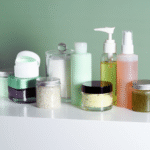


Keeping makeup fresh all day requires the right combination of products and techniques. Using a primer, setting spray, and long-wear formula can significantly extend the life of makeup. These steps help prevent fading, smudging, and shine, maintaining a polished look from morning to evening.
Preparation plays a crucial role; clean, moisturised skin provides a smooth canvas, while blotting papers and touch-up powders manage oil throughout the day. Understanding how to layer products correctly also stops makeup from caking or settling into fine lines.
Essential Skin Preparation for Long-Lasting Makeup
Proper skin preparation is vital to ensure makeup adheres well and remains fresh throughout the day. Focusing on cleansing, moisturising, and priming sets a clean, hydrated canvas and controls shine or dryness. Consistency in skin care helps maintain this optimal condition daily.
Cleansing and Moisturising for a Flawless Base
Cleansing removes dirt, excess oil, and impurities that can cause makeup to slide off. Using a gentle cleanser suited to the skin type prevents irritation and maintains the skin’s natural barrier.
Moisturising hydrates the skin and balances oil production. Dry skin benefits from richer creams, while oily skin needs lightweight, non-comedogenic lotions. Applying moisturiser while the skin is slightly damp locks in moisture effectively.
This combination creates a smooth, even surface that helps makeup apply more evenly and last longer without patchiness or flaking.
Selecting and Applying an Effective Primer
A primer forms the first layer between skin and makeup, enhancing durability and finish. Choosing the right primer depends on skin needs: a mattifying primer controls shine for oily skin, while hydrating primers benefit dry or dull complexions.
Application should be light and even, focusing on areas prone to oiliness or large pores, such as the T-zone. Avoid applying too much, which can cause makeup to slip.
Primers with silicone bases create a smooth texture, improving foundation grip and preventing creasing or fading throughout the day.
Establishing a Skincare Routine for Daily Freshness
A consistent skincare routine that includes cleansing and moisturising twice daily prepares skin optimally over time. Exfoliating 1–2 times weekly removes dead skin cells and helps moisturisers and primers absorb better.
Using targeted treatments such as serums for hydration or oil control improves skin condition, making makeup application more reliable. Sun protection also preserves skin health, preventing dryness or damage that disrupts makeup wear.
Tracking skin changes and adjusting products seasonally ensures the skin remains balanced and the makeup looks fresh longer.
Applying Makeup for All-Day Freshness
Achieving a fresh look that lasts depends on selecting the right products and applying them with thoughtful techniques. Combining long-wearing formulas with smart layering ensures makeup stays in place without caking or fading.
Choosing Long-Wearing Makeup Products
The foundation of all-day fresh makeup starts with long-lasting products designed for durability. Heavily pigmented, oil-resistant formulas for foundation, concealer, and colour products help prevent melting or smudging.
Look for labels such as long-wearing, 24-hour, or waterproof. Matte or semi-matte finishes tend to control shine better throughout the day. Avoid products with heavy oils or moisturisers that can break down quickly on the skin.
Primer is essential; it creates a gripping base to lock foundation and powders. Use a silicone-based primer for smoother application and improved longevity, especially on oily areas. Choosing the right base products is the single most impactful step.
Layering Techniques: Cream and Powder Formulas
Layering cream and powder products extends wear and provides a natural finish. Apply cream formulas first—such as cream blush or bronzer—then set them with matching powder versions.
Creams give a dewy base, while powders absorb excess oils, preventing makeup from sliding off. For example, a cream blush adds hydration and pigment; topping it with a powder blush boosts colour permanence.
Use light pressure when layering powder to avoid disturbing the cream layer beneath. This technique works well, especially in areas prone to shine like the T-zone and cheeks. It also adds dimension and bases your makeup for lasting vibrancy.
Foundation and Concealer Strategies
Foundation should be applied evenly using a damp makeup sponge or brush to avoid excess product and ensure smooth coverage. Concentrate product on areas needing coverage, blending outwards to prevent mask-like finishes.
For concealer, choose one slightly lighter than the foundation to brighten under-eye areas. Apply sparingly and blend promptly with tapping motions rather than rubbing.
Setting foundation and concealer with a finely milled translucent powder helps reduce creasing and shine. Focus on oily spots and under the eyes to keep the makeup intact throughout the day without heavy cakiness.
Blush, Bronzer, and Highlighter Application
Blush and bronzer should enhance natural contours and warmth without overpowering. Use creams for initial placement; they meld into the skin better, but set them with powders for durability.
Bronzer applied below cheekbones and on the hairline adds subtle definition. A blush on the apples of the cheeks provides a healthy flush. Blend well to avoid harsh lines.
Highlighter is best applied sparingly on high points such as the tops of cheekbones and brow bones. A light touch of powder highlighter over cream can enhance glow, but avoid overdoing it to maintain a fresh appearance rather than shine buildup.
Making Eye and Lip Makeup Last
Keeping eye and lip makeup intact requires strategic preparation and selecting the right products. Proper base application, durable formulas, and specific techniques help prevent smudging, fading, and creasing throughout the day.
Prepping Lids with Eyeshadow Primer
Using an eyeshadow primer is essential for extending the wear of eye makeup. It creates a smooth, even surface that grips eyeshadow and prevents creasing, fading, or oil buildup.
Apply a thin, even layer of primer across the entire eyelid, including up to the brow bone if necessary. Wait a few seconds for it to set before applying eyeshadow. This step also intensifies colour payoff and keeps the makeup vibrant.
Choose primers formulated for your skin type—matte finish for oily lids and hydrating for dry skin. Some primers contain ingredients that reduce oil production, crucial for long-lasting eyeshadow.
Waterproof Formulas for Eyeliner and Mascara
Waterproof eyeliner and mascara provide superior resistance against smudging from sweat, tears, and humidity. They maintain definition without flaking or running.
Use a waterproof pencil or gel eyeliner for a precise line that stays in place. For mascara, waterproof formulas coat lashes firmly without smudging under the eyes.
To enhance longevity, allow eyeliner to dry fully before blinking, and consider setting pencil liners with a matching eyeshadow to lock in the colour. Waterproof products generally require careful removal with oil-based makeup remover to prevent irritation.
Techniques for Long-Lasting Lip Colour
Long-lasting lip colour depends on product choice and application techniques. Liquid lipstick is popular for its pigmented, durable finish that can last several hours.
Begin by exfoliating lips and applying a hydrating balm. Then, use a lip liner to define edges and fill in the lips, creating a base for the colour.
Apply liquid lipstick in thin, even layers, allowing each layer to dry before adding more. Blot gently with tissue between layers to reduce excess product. Avoid oily or glossy lip products, which wear off faster. Using a translucent setting powder over a tissue can increase wear time without dulling colour.
Setting and Touching Up Throughout the Day
Maintaining makeup throughout a busy day requires effective products and timely maintenance. Using powders and sprays can lock makeup in place, while quick touch-ups prevent shine and fading without ruining the initial application.
Using Setting Powder and Pressed Powder
Setting powder, usually translucent, mattifies skin and reduces shine. It is applied lightly with a fluffy brush after foundation to absorb excess oils without altering colour.
Pressed powder offers more coverage and can be easily carried for touch-ups. It helps to even skin tone and control perspiration throughout the day. Both powders work best when tapped gently onto the skin, avoiding heavy rubbing that can disrupt makeup.
Choosing a powder suitable for your skin type is essential. For oily skin, mattifying powders work well, while dry skin benefits from finely milled, hydrating formulas to avoid cakiness.
Choosing a Setting Spray for Your Skin Type
Setting sprays lock makeup in place by creating a thin protective layer on the skin. They help blend powders and creams for a natural finish and delay wear.
For oily skin, mattifying setting sprays minimise shine and reduce excess sebum. Hydrating sprays suit dry or sensitive skin, adding moisture without breaking down makeup.
Application is key: hold the bottle 20-30cm from the face and mist evenly in an “X” and “T” pattern. Allow the spray to dry naturally for full effect.
Blotting Papers and On-the-Go Touch-Ups
Blotting papers remove surface oils without adding product or disturbing makeup. They are oil-absorbing and ideal for midday shine control.
Using blotting papers involves gently pressing on oily areas, especially the T-zone, instead of wiping. This reduces the risk of smudging.
After oil removal, a quick touch-up with pressed powder or setting spray refreshes the look. Compact powders are convenient for carrying in a handbag or pocket, allowing discreet and precise application.