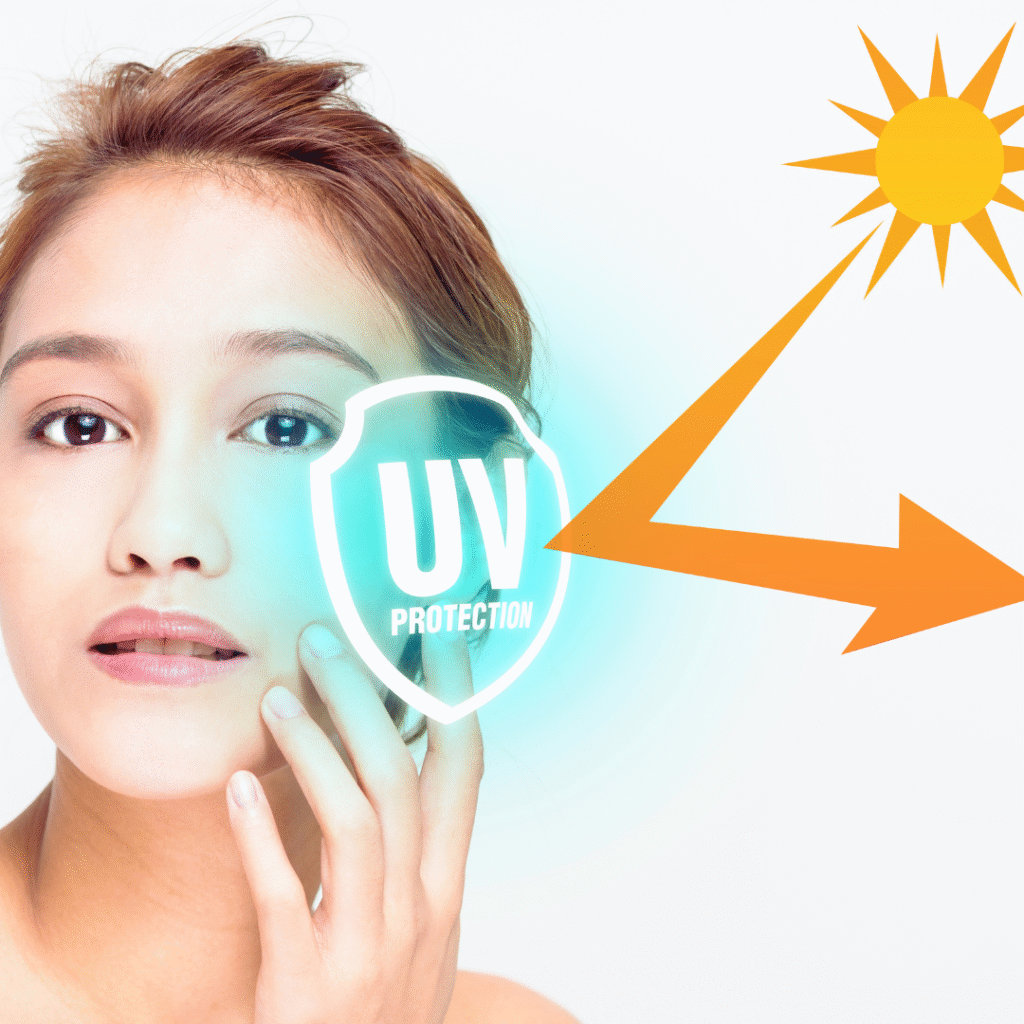

Protecting skin from the sun is essential to prevent damage, premature ageing, and skin cancer. The most effective way to protect skin is by using a broad-spectrum sunscreen with at least SPF 30, wearing protective clothing, and seeking shade during peak sun hours.
Understanding the sun’s harmful ultraviolet (UV) rays and how to minimise exposure can make a significant difference. Simple changes to daily routines can help maintain skin health without avoiding outdoor activities.
This article explains practical steps anyone can take to reduce sun damage and protect their skin effectively throughout the year.
Understanding UV Radiation And How It Affects Skin
UV radiation from the sun is composed of different types of rays that penetrate the skin differently. The effects of sun exposure range from immediate skin reddening to long-term cell damage, increasing the risk of serious conditions.
Types Of UV Rays: UVA, UVB, And UVC
There are three main types of UV rays: UVA, UVB, and UVC. UVA rays have the longest wavelength and penetrate deep into the skin, contributing mainly to premature ageing and wrinkles.
UVB rays have a shorter wavelength and affect the outer skin layers. They cause sunburn and directly damage DNA, which is linked to skin cancer development.
UVC rays have the shortest wavelength and are mostly absorbed by the Earth’s atmosphere, so they rarely reach the skin.
| Type | Wavelength (nm) | Skin Effect | Penetration |
| UVA | 320-400 | Ageing, skin damage | Deep dermis |
| UVB | 280-320 | Sunburn, direct DNA damage | Outer skin layers |
| UVC | 100-280 | Mostly absorbed by ozone | Minimal exposure |
Short-Term And Long-Term Effects Of Sun Exposure
Short-term sun exposure can cause redness, irritation, and sunburn, which results from inflammation due to UVB damage. Sunburn appears within hours and might cause pain, peeling, or blistering.
Long-term effects include premature skin ageing (wrinkles, loss of elasticity) mainly from UVA rays. Prolonged UV exposure also accumulates DNA damage, increasing risks of skin cancers such as melanoma and non-melanoma types.
Repeated sunburn in early life is a critical risk factor for future skin cancer. Both UVA and UVB rays contribute to these cumulative skin effects.
Risks Of Sunburn And Skin Cancer
Sunburn is a clear sign that UVB rays have caused skin damage. It increases the likelihood of skin cells mutating, which can lead to skin cancer.
Skin cancer types linked to UV exposure include:
- Basal cell carcinoma
- Squamous cell carcinoma
- Melanoma (the most serious)
People with fair skin or a history of frequent sunburns have higher risks. Skin cancer rates rise with prolonged sun exposure and inadequate protection.
How Sun Exposure Causes Skin Damage
UV radiation penetrates the skin’s layers and damages cellular DNA directly (primarily UVB) or indirectly through free radicals (mainly UVA). This disrupts normal cell function and repair mechanisms.
Damaged skin cells may die or become mutated, which can cause premature ageing or develop into cancerous cells. UV exposure also weakens the immune response in the skin, reducing its ability to recover efficiently.
Consistent protection limits this damage by blocking or absorbing harmful rays before they affect cells.
Key Principles Of Sun Protection
Effective sun protection involves reducing direct sun exposure, especially when UV rays are strongest. It also requires adopting habits that minimise skin damage through reliable and simple measures.
Limit Time In The Sun
Reducing the amount of time spent in direct sunlight is essential. UV radiation is strongest between 10 am and 4 pm, so limiting outdoor activities during these hours decreases the risk of skin damage.
Spending brief periods outside and taking regular breaks indoors can help maintain sun safety. Even on cloudy days, UV rays penetrate, so time outside should be monitored carefully.
Using a timer or phone reminders to track outdoor exposure can assist in keeping sun time within safe limits. This is particularly relevant for children and individuals with sensitive skin.
Seek Shade During Peak Hours
Finding and staying in shaded areas offers significant protection from harmful UV rays. Trees, umbrellas, or shelters can reduce sun exposure effectively.
When outside during peak hours, it is advisable to remain in the shade as much as possible. This lessens the intensity of UV radiation touching the skin.
Shade is not a complete barrier, but it can reduce UV exposure substantially. Combining shade with other protective methods improves overall sun safety.
Choose Protective Outdoor Habits
Wearing appropriate clothing such as long sleeves, wide-brimmed hats, and UV-protective sunglasses reinforces skin protection. Lightweight, tightly woven fabrics offer the best barrier.
Applying broad-spectrum sunscreen with at least SPF 30 to all exposed skin complements these habits. Reapplication every two hours or after swimming or sweating is critical.
Planning outdoor activities outside peak UV times and staying hydrated supports skin health under sun exposure. Consistent use of these habits creates a reliable defence against sun damage.
Choosing And Applying Sunscreen Effectively
Effective sun protection requires selecting the right sunscreen and applying it correctly. Understanding the types, ratings, and application methods is essential to maximise protection against harmful UV rays.
Selecting Broad-Spectrum And Mineral-Based Sunscreens
Broad-spectrum sunscreens protect against both UVA and UVB rays, which are responsible for skin ageing and sunburn. It is crucial to choose a product labelled “broad-spectrum” to ensure comprehensive coverage.
Mineral-based sunscreens use physical blockers like zinc oxide or titanium dioxide. They sit on the skin’s surface and reflect UV rays. These are often recommended for sensitive skin due to their lower risk of irritation and offer immediate protection after application.
Understanding SPF And Star Ratings
SPF, or Sun Protection Factor, measures protection against UVB rays, which cause sunburn. An SPF 30 sunscreen blocks approximately 97% of UVB rays, significantly reducing skin damage risk.
The star rating system complements SPF by indicating UVA protection strength. More stars mean better UVA coverage. Ideally, a sunscreen should have at least 4 stars and an SPF of 30 or higher for balanced protection.
Proper Application And Reapplication Techniques
Sunscreen must be applied liberally—about a teaspoon for the face and a shot glass worth for the body. Applying too little reduces effectiveness significantly.
Reapplication every two hours is necessary, especially after sweating, swimming, or towel-drying. Do not rely solely on initial application; consistent reapplication maintains protective levels throughout sun exposure.
Water-Resistant And SPF 30+ Formulas
Water-resistant sunscreens maintain their SPF rating for 40 to 80 minutes during water exposure or sweating. They are essential for swimming or outdoor sports.
Formulas labelled SPF 30+ meet or exceed the minimum effective protection threshold. Choosing water-resistant and SPF 30+ products ensures durable and reliable defence in active or humid environments.
Comprehensive Sun Protection Strategies
Effective sun protection requires a combination of physical barriers and skincare habits to reduce exposure to harmful UV rays. Wearing appropriate clothing, using accessories, and caring for the skin after sun exposure all play key roles in maintaining healthy skin.
Protective Clothing: Long-Sleeved Shirts And Trousers
Long-sleeved shirts and trousers made of tightly woven fabrics create an effective barrier against sun damage. Clothing labelled with a UPF (Ultraviolet Protection Factor) rating offers added assurance of UV defence. Light-coloured, loose-fitting garments are preferable as they reflect sunlight and keep the skin cool.
Technical fabrics designed for sun protection often have built-in SPF ratings of 30 or higher. Covering arms and legs reduces the amount of skin exposed and decreases the risk of burns and premature ageing. It is important to wear these clothes, especially during peak UV hours between 10 am and 4 pm.
Wide-Brimmed Hats And Sunglasses
Wide-brimmed hats shield the face, ears, and neck. A brim at least 7.5 cm wide is recommended for optimal coverage. Hats made from tightly woven material with UPF protection provide enhanced security from UV rays.
Sunglasses with UV400 lenses protect the eyes and delicate surrounding skin. They reduce the risk of cataracts and long-term sun damage. Both hats and sunglasses reduce the need for frequent reapplication of sunscreen on hard-to-reach areas like the scalp and around the eyes.
Importance For Children And Sensitive Skin
Children have thinner skin that burns more quickly, making sun protection critical. Long-sleeved tops and trousers in soft, breathable fabrics prevent overheating while guarding sensitive skin. Parents should choose hats with wide brims and ensure sunglasses fit securely.
People with sensitive or fair skin, or skin conditions such as eczema, need to be especially cautious. They should prioritise physical protection over chemical sunscreens when possible and carry out regular skin checks to identify any early signs of sun damage or irritation.
Supporting Skin Health With After-Sun Care
After sun exposure, skin requires hydration and soothing to maintain its health. Using moisturisers with ingredients like aloe vera or glycerin helps restore moisture and reduces peeling. Applying after-sun care within 30 minutes of coming indoors supports cellular repair.
Regular skin checks are essential to monitor for any abnormal changes or sunspots, especially on frequently exposed areas. Consistent after-sun routines complement preventive measures and reduce long-term risks such as premature ageing and skin cancer.